

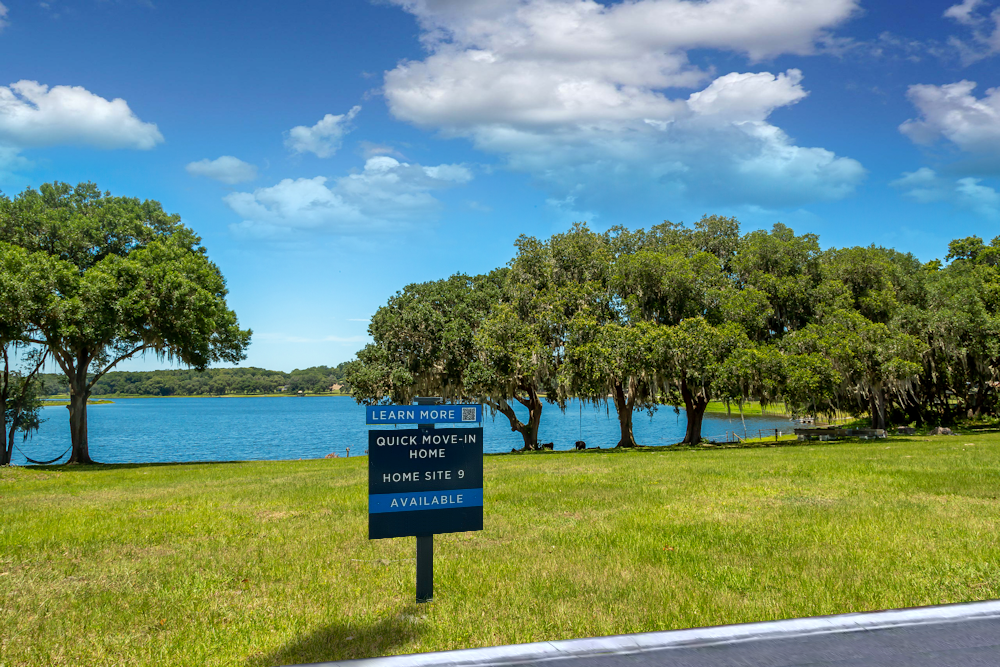
How to Tell If Land Is Buildable: Start With Zoning and Local Building Regulations
Zoning rules determine what types of structures can be built on a parcel of land. Because each Florida county-and often each city within the county-has different regulations, zoning must be reviewed before purchasing a homesite.
Understanding these guidelines ensures that the home you envision is permitted on the lot. If the property requires rezoning or variances, additional steps and timelines must be considered. Additionally, zoning affects how close you can build to water, wetlands, or neighboring properties. By using Real Estate Development, professionals can assess zoning complexities and determine if the lot supports your long-term plans. In fact, early zoning review prevents surprises that could delay or restrict your design.
How to Know If a Lot Is Buildable: Reviewing Flood Zones and Elevation Requirements
In Florida, flood-zone classification plays a major role in determining whether a lot is buildable. Because certain areas require homes to be elevated or designed with specific engineering standards, flood-zone review is essential. FEMA maps classify land as:
-
-
X (minimal flood risk)
-
AE (possible flood risk requiring elevation)
-
VE (coastal high-hazard requiring advanced engineering)
-
Homes in AE or VE zones may require significant elevation, deep pile foundations, or additional structural reinforcement. With Elevated Coastal Home Construction, these requirements are integrated into the design process to ensure compliance and safety. Additionally, elevation requirements impact driveway slope, stairs, entry design, and the overall layout of your home. In fact, understanding flood maps early helps homeowners estimate future insurance costs and long-term maintenance expectations.
Soil Conditions and Geotechnical Testing
Soil quality impacts the stability and safety of your home’s foundation. Because Florida’s terrain varies from sandy coastal soil to clay and limestone, geotechnical testing helps determine whether the lot is suitable for construction.
Poor soil may require deep foundations, soil stabilization, or modified design strategies. Using Custom Home Design + Build, geotechnical findings are reviewed early to ensure the foundation system supports long-term performance. Additionally, understanding soil conditions helps predict future settlement and structural durability. Furthermore, knowing soil characteristics helps tailor drainage and landscaping solutions.
Confirm Utility Availability and Access Requirements
Utilities such as water, sewer, electricity, and internet play a major role in determining if a lot is buildable. Because utility access varies between urban, suburban, and rural areas, verifying availability helps avoid costly infrastructure work.
If utilities are not nearby, extending service may significantly increase project costs. Additionally, driveway and easement access must be considered. Some lots require recorded easements for legal access, while others may have restrictions based on environmental features. Through Real Estate Development, these aspects are evaluated thoroughly before construction begins. In fact, utility planning ensures your future home functions efficiently from day one.
Environmental Restrictions and Protected Areas
Environmental features can affect whether a lot is buildable. Because Florida protects wetlands, conservation areas, and native species, certain parcels require environmental assessments before construction is approved.
Properties near wetlands may require special permits or additional engineering to ensure compliance. Through Custom Home Design + Build, environmental considerations are incorporated without sacrificing the home’s aesthetic or functionality. Beyond that, knowing environmental constraints helps determine ideal building placement and future landscaping. Also, proper environmental planning ensures your home coexists beautifully with the natural surroundings.
Setbacks, Easements, and Buildable Envelope
Every property has a “buildable envelope”-the area where a home can legally be constructed. Because setbacks, easements, and restrictions vary widely, this envelope determines the maximum footprint, width, and orientation of your home.
Easements grant others access to certain parts of your land, such as utility companies or neighboring property owners. These areas cannot be built upon. In addition, the buildable envelope influences architectural style and layout. Through Architectural + Interior Design, these limitations are transformed into creative opportunities that enhance curb appeal and functionality. In fact, understanding your envelope ensures your floor plan fits comfortably on the lot without costly redesigns.
Topography and Drainage Considerations
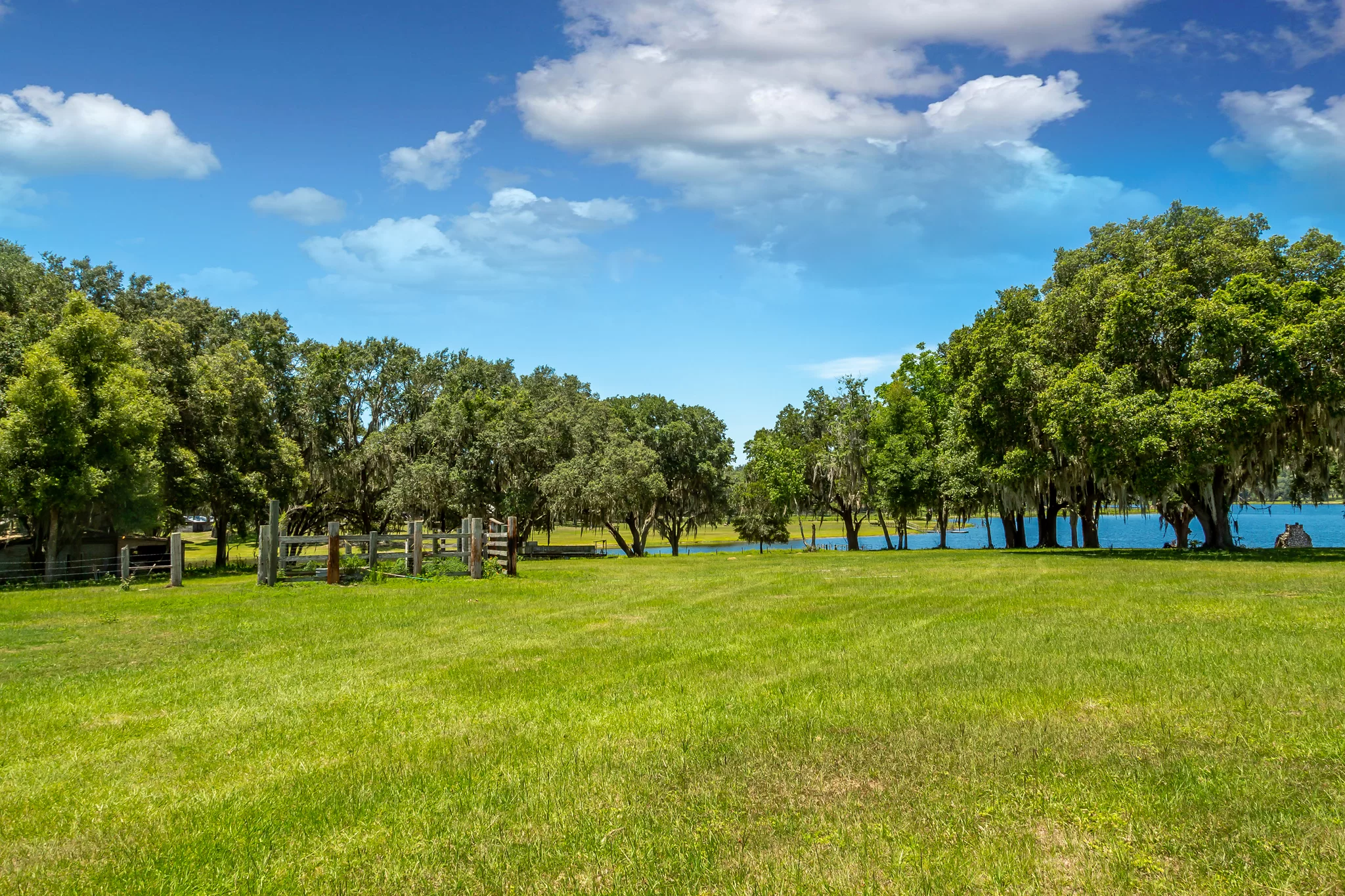
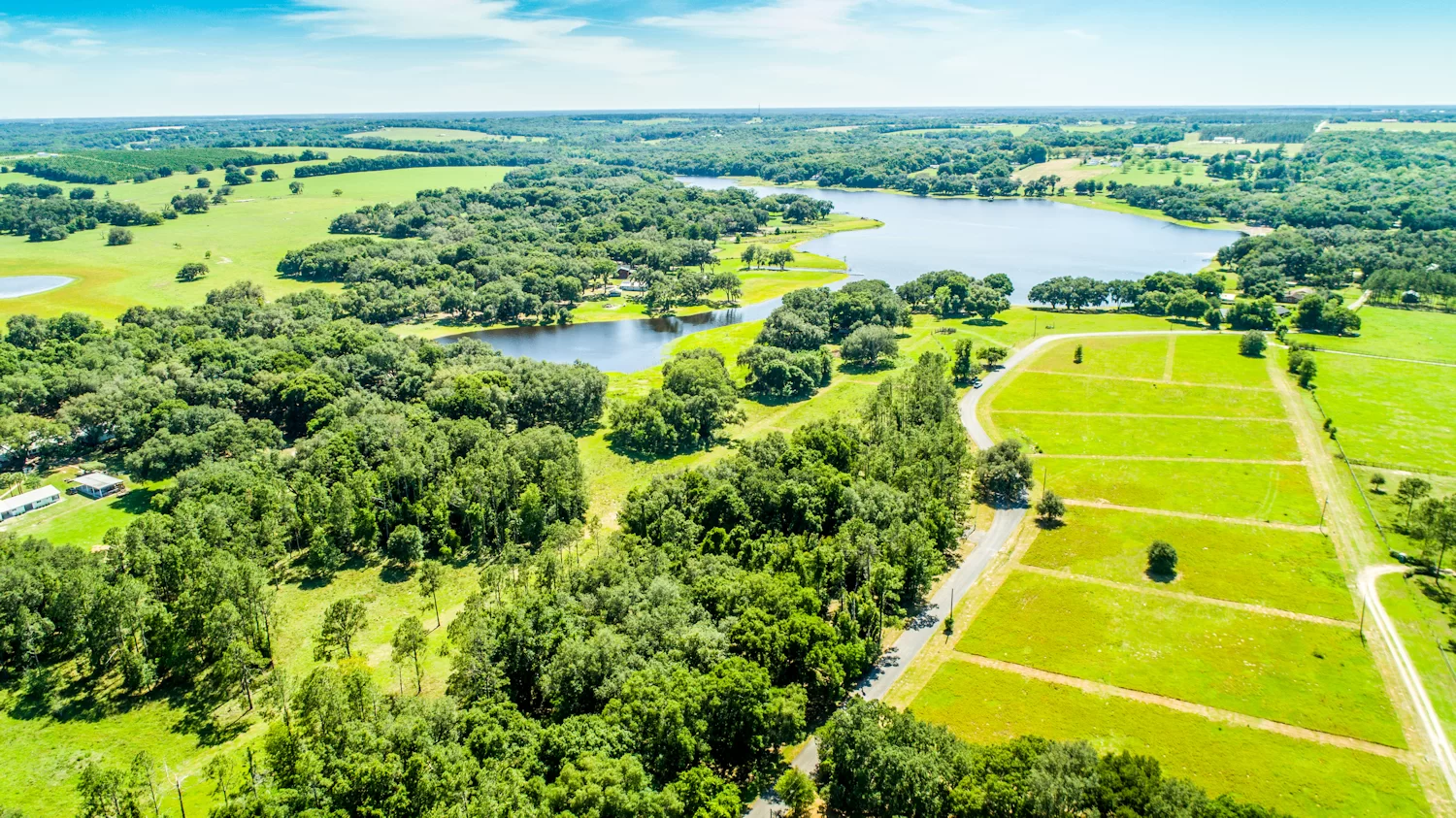
Although Florida is generally flat, many lots-especially in areas like Dade City or Tarpon Springs-have natural slopes. Because drainage impacts both foundation performance and long-term property health, topography must be evaluated before building.
A properly graded homesite minimizes erosion, reduces flooding risk, and improves landscaping outcomes. What’s more, through Custom Home Design + Build, drainage plans integrate seamlessly with exterior design and outdoor living areas. In fact, addressing drainage early prevents future home maintenance issues caused by improper water flow.

Neighborhood and Community Requirements
Some communities enforce HOA rules or architectural guidelines that affect home design. Because these rules may restrict exterior style, materials, colors, or height, reviewing them early determines whether the lot aligns with your vision. Additionally, some communities require architectural review approval before construction. Through Architectural + Interior Design, designs can be tailored to comply with HOA expectations while maintaining your personal aesthetic. In fact, clear communication with community boards ensures a smoother approval process.
Evaluating the Lot for Long-Term Livability
Beyond technical requirements, choosing a buildable lot also depends on lifestyle considerations. Because orientation, privacy, noise levels, and natural features all influence daily comfort, the right lot should support how you plan to live. Also, lot orientation affects energy efficiency. Using Custom Home Design + Build, designers position windows, living spaces, and outdoor features to take advantage of natural light and airflow. Furthermore, thoughtful design enhances both comfort and long-term property value.
When to Walk Away From a Lot
Sometimes the best decision is to walk away. Because certain lots require extensive engineering or carry long-term risks, choosing a different property may be the smarter move. Additionally, if the cost to prepare the land outweighs the value of building on it, reconsidering may prevent financial strain. In fact, professional evaluation helps identify concerns that are not obvious to buyers.
Closing Thoughts
Understanding How to Know If a Lot Is Buildable ensures your custom home project begins with clarity and confidence. By evaluating zoning, soil conditions, environmental factors, utilities, and long-term lifestyle needs, homeowners can choose land that truly supports their vision. If you’re ready to assess a homesite or want expert guidance before purchasing land, discover how Custom Home Design + Build and Architectural + Interior Design can help you evaluate, plan, and build with precision.