

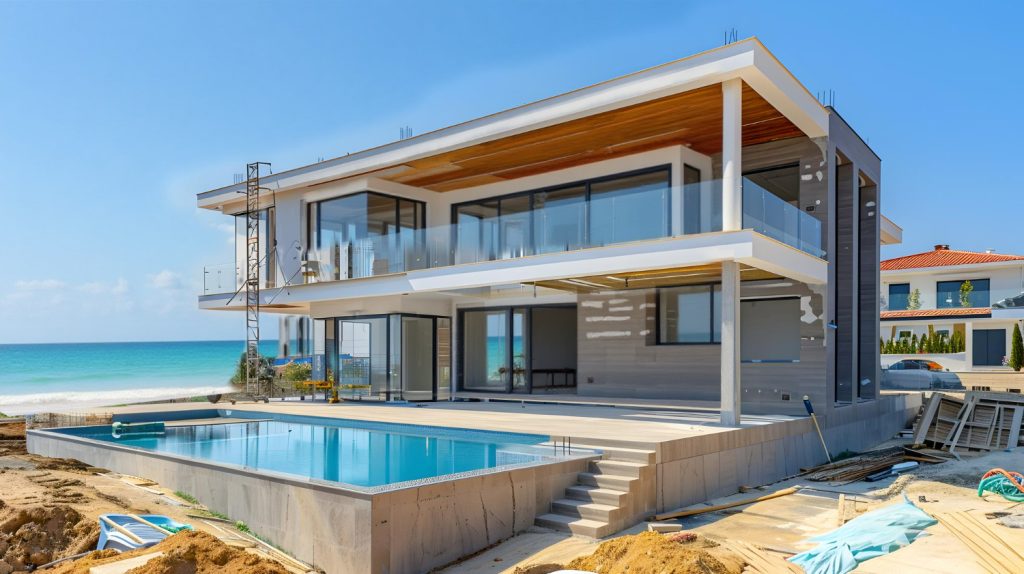
How to Build a Coastal Home in the Tampa / St. Pete Area: It Starts With the Homesite
Building a coastal home in Tampa Bay begins long before architectural drawings or material selections—success starts with evaluating the homesite. Because every property along the Gulf Coast has its own elevation, soil conditions, flood-zone requirements, and exposure to wind and salt air, understanding the land is the first and most important step. Homesites in coastal areas demand thoughtful planning that aligns with both local regulations and long-term structural performance. When the land is evaluated correctly, the rest of the design and construction process becomes smoother, more accurate, and more cost-efficient.
Your homesite directly influences foundation type, structural engineering, and the overall layout of your future home. Elevated lots, waterfront parcels, and narrow coastal properties each require different strategies to maximize views, capture natural light, and maintain protection from storm-related elements. Soil quality and drainage patterns also play a major role in determining how the home is positioned and supported. By understanding how your land behaves, you can make informed decisions about floor plan orientation, outdoor living spaces, and the finishes best suited for Tampa Bay’s environment.
Evaluating the homesite early also helps you avoid unexpected challenges that could affect your timeline and budget. Flood-zone classifications, permitting requirements, and local building codes all determine what’s possible on your property—and knowing these factors upfront ensures your design aligns with reality. Whether you’re building a modern coastal retreat or a luxury elevated home, starting with a proper homesite analysis sets the foundation for a durable, beautiful, and storm-ready coastal home.
Evaluating Your Homesite and Flood Zone
The first step in building a coastal home is understanding the conditions of your property. Because Tampa Bay includes AE, VE, and X flood zones, your site’s classification influences foundation type, elevation requirements, and engineering strategies.
Key flood-zone considerations include
Building above the required elevation helps protect your home, reduce insurance costs, and improve long-term resilience. Engineers evaluate soil conditions and elevation needs to determine whether your home requires a stem-wall foundation, pier-and-beam system, or deep pile foundation. Additionally, through Custom Home Design + Build, site analysis ensures the home is positioned to maximize views, ventilation, and natural light while meeting all regulatory requirements. Furthermore, early site evaluation helps shape initial architectural concepts and cost expectations.
How to Build a Coastal Home in Tampa Bay: Design for Wind and Structural Performance
Wind resilience is a defining part of coastal construction. Because Tampa Bay experiences tropical storms and hurricanes, your home must meet strict Florida Building Code standards for impact resistance and wind-load performance.
Essential elements include:
-
- Reinforced roof structures
- Secondary water barriers
- Impact-rated windows and doors
- Properly engineered connections and fasteners
- Shear walls and structural bracing
These features help protect your home from strong gusts and flying debris. Beyond that, design choices-such as roof shape, overhang depth, and window placement-can improve aerodynamics and reduce wind pressure.
When planned through Elevated Coastal Home Construction, these strategies are integrated seamlessly into the home’s architecture. Also, strong structural performance improves long-term durability and enhances overall property value.
Choose Materials Designed for Coastal Environments
Material selection is one of the most important aspects of building a coastal home. Because salt air, UV exposure, and humidity all accelerate wear, choosing durable, moisture-resistant materials extends your home’s lifespan and reduces maintenance.
These materials resist corrosion and maintain their aesthetic appeal even in harsh environments. Plus, interior materials such as engineered wood flooring, moisture-resistant drywall, and porcelain shower tile perform well in Florida’s climate. Using Architectural + Interior Design, homeowners receive curated selections that blend beauty, resilience, and long-term performance. In fact, durable materials enhance both the value and longevity of your coastal home.
Design for Indoor-Outdoor Living
The Tampa Bay lifestyle revolves around outdoor living. Because the climate supports year-round use of outdoor spaces, coastal homes should prioritize seamless transitions between inside and out. These spaces expand usable square footage and support comfort during warm months. Additionally, orienting outdoor living areas toward breezes and shade improves usability. With Custom Home Design + Build, indoor-outdoor integration becomes a key part of the architectural planning process. In fact, outdoor living features enhance property appeal and create a resort-style atmosphere right at home.
Incorporate Natural Light and Coastal Views
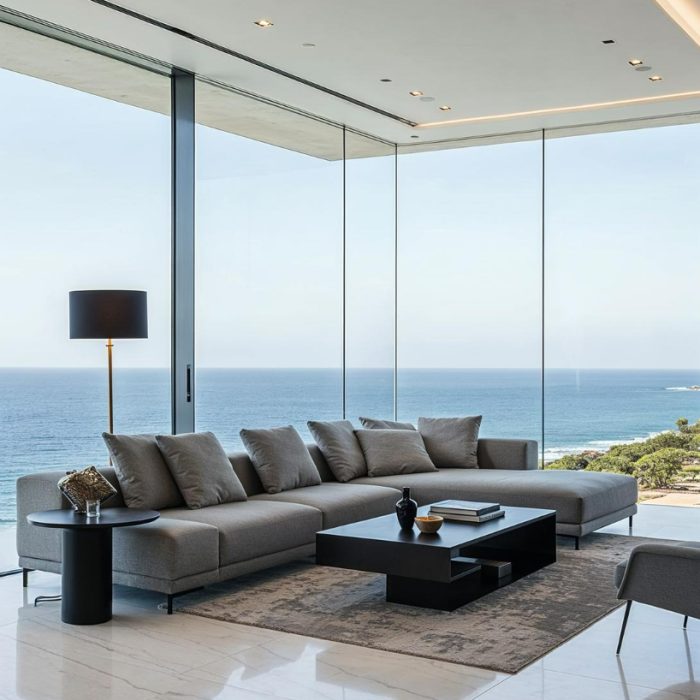
Coastal homes excel when natural light and views are prioritized. Because Tampa Bay offers stunning water vistas, palm-lined landscapes, and vibrant sunsets, careful window placement enhances both beauty and comfort.
These design elements brighten interior spaces while improving energy efficiency. Moreover, orienting the home to capture prevailing breezes reduces reliance on mechanical cooling. With Architectural + Interior Design, window configurations are selected to maximize views while maintaining privacy and shading. Also, proper glazing and impact-rated materials ensure safety without sacrificing design.
Plan for Functional, Flexible Floor Plans Coastal homes benefit from thoughtful floor-plan design. Because families often gather, entertain, and enjoy outdoor spaces, layouts should support effortless movement and adaptable spaces.
In addition, proper storage solutions-such as walk-in pantries, mudrooms, and conditioned storage-improve everyday function. Through Luxury House Plans, homeowners can explore options that match their preferred aesthetic and lifestyle. As a further point, layouts that maximize natural light and reduce unused space increase long-term value.
Consider Elevation, Driveways, and Access Points
Elevation affects more than just the structure-it influences the home’s overall function and appearance. Because coastal homes often require elevation above BFE, the design must address stairs, landings, driveways, and entry transitions. Additionally, driveways must be designed to accommodate drainage and access. Using Elevated Coastal Home Construction, these elements are engineered to harmonize with the home’s architecture. In the same way, elevated design can enhance views and create opportunities for shaded outdoor living areas beneath the main structure.
Evaluate Insurance, Maintenance, and Long-Term Costs
Building a coastal home involves ongoing responsibilities. Because insurance costs, maintenance needs, and long-term durability vary by location, homeowners should plan for these considerations early. Investing in hurricane-resistant construction can reduce insurance premiums and improve long-term property value. Through Real Estate Development, homeowners receive guidance on financial planning and long-term ownership considerations. In fact, choosing the right materials and systems helps minimize future repairs.
Closing Thoughts
Understanding How to Build a Coastal Home in Tampa Bay empowers homeowners to design and construct a home that withstands the environment while offering beauty, comfort, and elevated coastal living. By blending thoughtful engineering with refined architecture, you can create a home that performs exceptionally well for decades. If you’re ready to begin designing your coastal home, discover how Custom Home Design + Build and Architectural + Interior Design can bring your vision to life with clarity, craftsmanship, and expertise.