

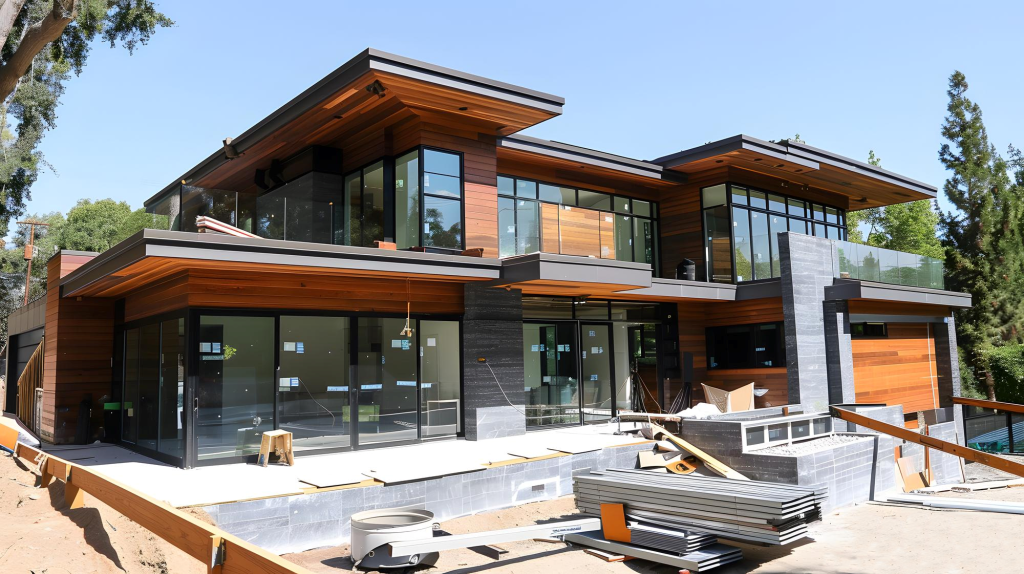
The Design and Planning Phase
Every custom home begins with a detailed design phase, and this stage often sets the tone for the rest of the timeline. Depending on the complexity of your layout, architectural style, and level of customization, design may take anywhere from a few weeks to several months.
Early design discussions focus on how you live, what you value most in a floor plan, and which architectural features support your lifestyle. During this stage, homeowners collaborate with designers to refine layouts, exterior elevations, room relationships, and outdoor living areas. Although inspiration images and conceptual ideas help guide direction, the real progress happens through detailed architectural plans.
When supported by Architectural + Interior Design, this process becomes enjoyable, structured, and highly creative. Beyond that, design development includes selecting your preferred finishes, considering site constraints, and ensuring the home aligns with your long-term goals. Because thoughtful planning minimizes revisions later, this stage may be the most important part of the entire process.
How Long Does It Take to Build a Custom Home in Florida?
Understanding the Engineering Phase Once architectural plans are approved, structural engineering begins. Because Florida’s building codes require strict wind-load, flood, and impact resistance, engineering plays a significant role in coastal and inland homes alike.
Engineers verify structural loads, foundation systems, roof design, window ratings, and any specialty requirements related to the site or flood zone. The more complex the home, the longer the engineering process may take.
Homes in AE or VE flood zones, for example, require elevation planning and additional reinforcement, which can extend the timeline slightly-but results in far better long-term resilience. Additionally, through Elevated Coastal Home Construction, engineering decisions are tailored to ensure optimal performance in hurricane-prone environments. Although engineering typically lasts several weeks, the precision it provides helps prevent costly changes during construction.
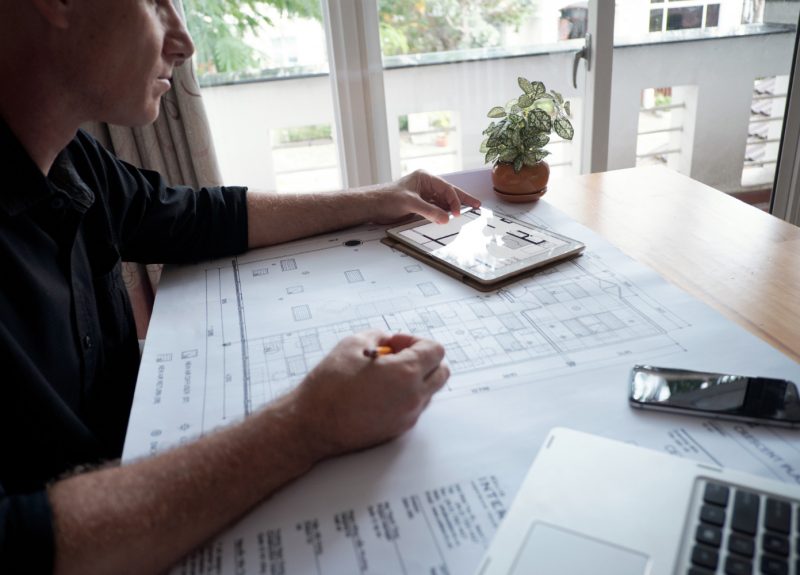
The Permitting Process in Florida
Permitting can be one of the most unpredictable parts of building a custom home in Florida. Because each county handles permits differently-and some experience higher seasonal demand-the timeline may range from a few weeks to several months. Permitting agencies review structural plans, mechanical layouts, environmental requirements, and energy compliance.
Although permitting may feel slow, it ensures your home is safe, compliant, and prepared for long-term performance. When managed through Custom Home Design + Build, your team tracks submissions, coordinates approvals, and handles communication with local authorities to keep the process moving forward as efficiently as possible.
Site Preparation and Foundation Work
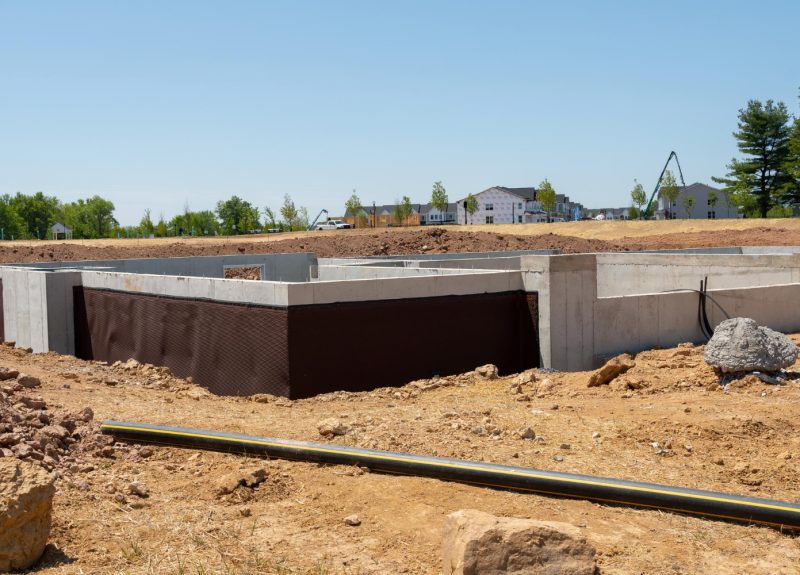
Once permits are issued, construction begins with site prep. This stage involves clearing the land, grading the property, setting up drainage patterns, and preparing utilities.
The duration varies depending on whether your land is flat, sloped, wooded, or near water. After preparation, the foundation process begins. Slab-on-grade foundations may be completed more quickly, while stem-wall or pile foundations-common in coastal regions require additional time due to their engineering and structural needs.
Because foundation accuracy affects every part of the home, this stage is completed methodically rather than rushed. Also, soil conditions influence both timing and cost. Coordination with geotechnical engineers ensures the foundation supports long-term stability and safety.
Framing and Structural Construction
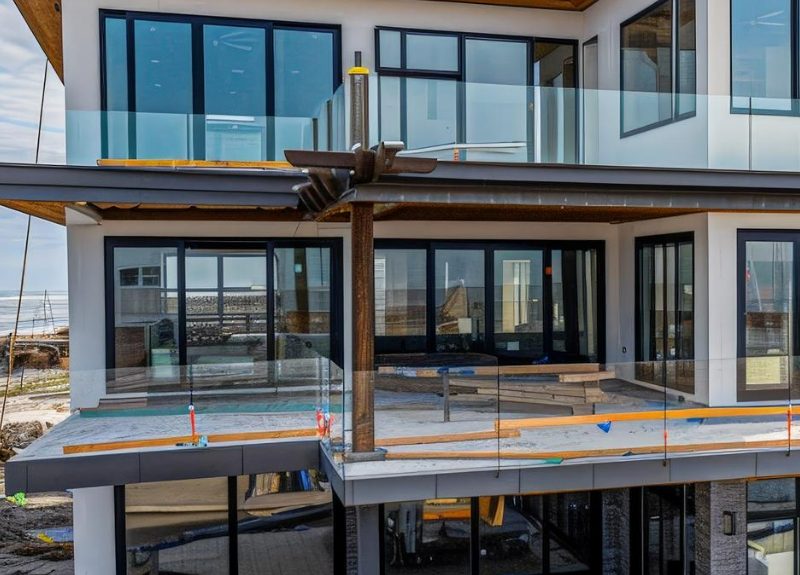
Framing is often one of the most exciting stages of the entire build. Walls rise, rooflines form, and homeowners can finally walk through their spaces. Depending on the size and complexity of the home, framing typically lasts several weeks.
This phase includes erecting structural walls, setting beams, building floors and ceilings, and creating the overall skeleton of the home. Weather can influence the pace, but experienced building teams work efficiently while maintaining quality.
Through Custom Home Design + Build, framing is executed with an emphasis on precision, wind-load resilience, and long-term structural integrity.
Once roofing and windows are installed, the home becomes “dried in,” allowing interior work to continue even during Florida’s rainy periods.
Mechanical Rough-Ins and Interior Systems
After the home is dried in, electricians, plumbers, and HVAC technicians begin installing essential systems. These mechanical components-wiring, ductwork, plumbing lines, breaker locations, and ventilation systems-are critical for comfort, safety, and long-term performance.
This phase typically lasts several weeks and may require inspections at multiple points to verify compliance with local building codes. Because Florida’s heat and humidity demand high-quality HVAC systems, careful planning at this stage helps maintain year-round comfort and energy efficiency.
Once the mechanical inspections are approved, insulation is installed to improve efficiency and sound performance, preparing the home for drywall installation.

Drywall, Interior Finishes, and Detail Work
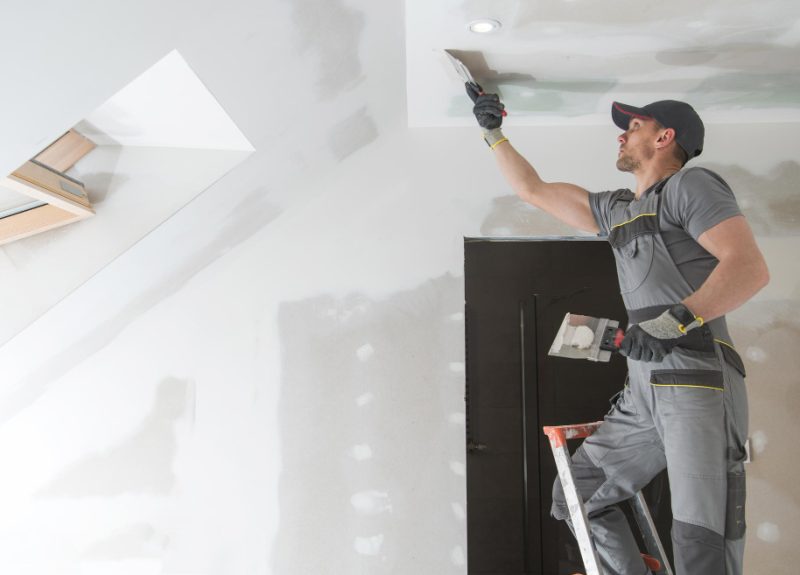
Drywall marks a major milestone, transforming the framing shell into recognizable rooms. After drywall is installed, taped, and textured, finishing stages progress quickly. This phase is often the most visually satisfying, as flooring, cabinets, doors, trim, tile, and interior paint begin bringing the design to life.
Because interior finishes require skilled craftsmanship, the timeline varies based on material availability, design complexity, and the number of custom elements. When guided by Architectural + Interior Design, selections blend cohesively, reducing delays and ensuring that everything aligns beautifully.
Outdoor living areas-such as patios, lanais, kitchens, and pools-may also be completed during this stage. These elements often coincide with interior progress, bringing the entire vision together simultaneously.
Exterior Finishing and Final Touches
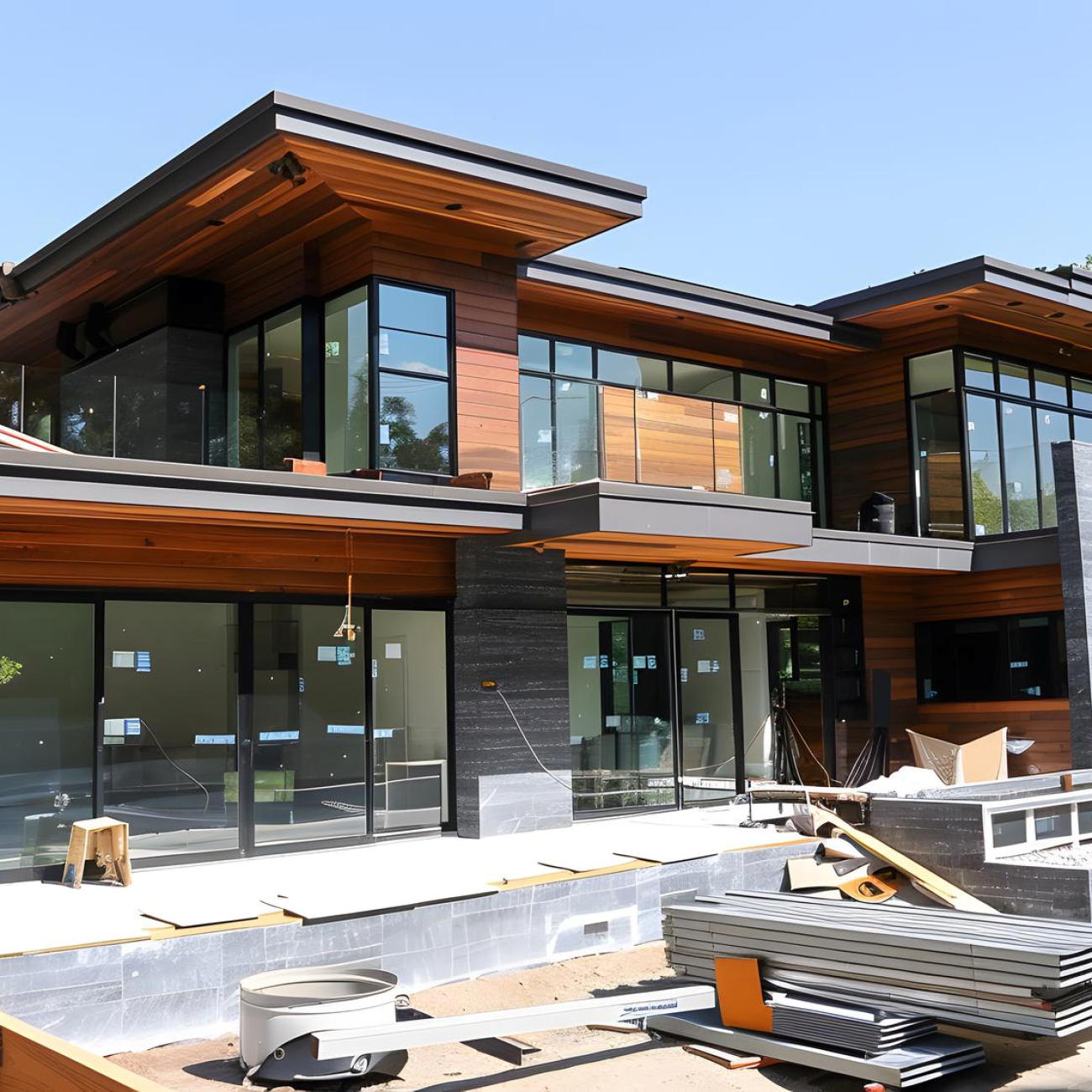
Exterior work continues throughout the project. Roofing, stucco, siding, stonework, driveway installation, and landscaping all contribute to curb appeal and long-term performance.
Because Florida’s climate demands moisture control and UV resistance, exterior materials are chosen carefully to withstand local conditions.
In addition, outdoor living spaces receive final details including lighting, cabinetry, surfacing, and structural enhancements. Using Elevated Coastal Home Construction, exterior materials are selected for durability in hurricane-prone areas, ensuring your investment remains protected.
During this phase, the home undergoes multiple inspections to verify structural safety, electrical integrity, plumbing performance, and overall building-code compliance.
Final Inspections, Walk-Through, and Move-In
The final phase includes inspections by city or county officials, builder quality checks, and a detailed walk-through with the homeowner. Any minor adjustments or “punch list” items are addressed promptly.
Once approved, the Certificate of Occupancy (CO) is issued, allowing you to officially move into your new home. This final milestone marks the completion of a process that typically spans 12 to 18 months for most custom homes in Florida-longer for highly complex or coastal projects and shorter for streamlined designs with fewer custom elements.
Through Custom Home Design + Build, this journey becomes organized, predictable, and tailored around your lifestyle and timeline.
Closing Thoughts
Understanding How Long Does It Take to Build a Custom Home in Florida? enables homeowners to prepare emotionally, financially, and logistically for the process. Although timelines can shift based on design complexity, site conditions, and permitting requirements, building a custom home remains an incredibly rewarding experience when guided by the right team.
If you’re ready to begin planning your custom home and want a clear, expertly managed timeline, discover how Custom Home Design + Build and Architectural + Interior Design can support your project from concept through completion.