

Understanding FEMA Flood Zones
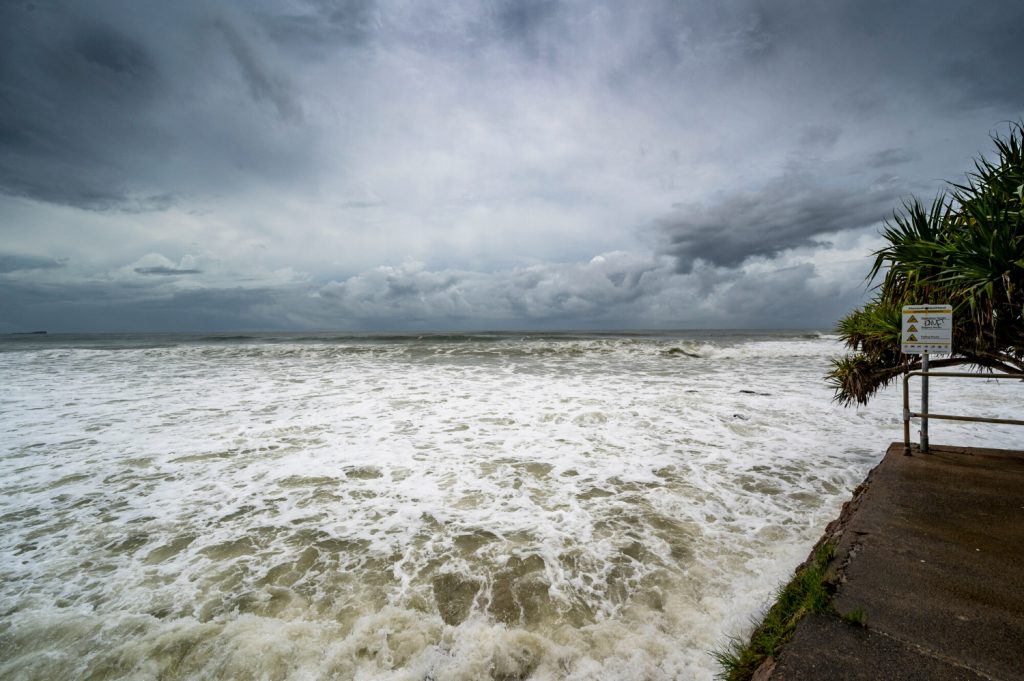
FEMA flood zones categorize areas according to their likelihood of flooding. Because Tampa Bay and surrounding counties include everything from low-risk inland zones to high-risk coastal areas, every homesite requires its own evaluation. Flood zones determine insurance requirements, foundation strategies, and elevation standards. Zone X represents areas with the lowest flood risk. Homeowners in Zone X often enjoy more flexibility when designing their foundation and selecting materials. Meanwhile, Zones A and AE represent areas where flooding is possible during heavy storms or seasonal rainfall. These zones typically require higher elevation, stronger foundation systems, and more comprehensive planning. Also, Zones VE represent coastal high-hazard areas affected by waves, surge, and storm-driven flooding. Homes in VE zones require deep engineering expertise, reinforced connections, and strict compliance with FEMA requirements. Using Elevated Coastal Home Construction, these high-impact strategies are integrated early in the design process to ensure long-term resilience. In fact, knowing your flood zone helps determine which foundation systems are allowed and which architectural options best fit your homesite.
How Base Flood Elevation (BFE) Impacts Construction
Base Flood Elevation (BFE) is one of the most important measurements in flood-zone construction. Because BFE represents the projected water height during a 100-year storm event, building above this level dramatically improves safety and reduces insurance costs. Designing a home above BFE also contributes to long-term property protection. Homes elevated above the minimum requirement avoid damage to living spaces, electrical components, and mechanical systems. When planned through Custom Home Design + Build, your architectural layout, foundation, and mechanical placement are all structured to meet or exceed elevation requirements. Moreover, building higher than BFE often increases natural ventilation and improves long-term home performance. Elevated homes benefit from air circulation beneath the structure, reducing moisture buildup and improving indoor comfort. In fact, exceeding BFE can lower annual flood-insurance premiums-an important consideration for homeowners seeking financial efficiency.
Flood Zones & Elevation Requirements Explained
With Foundation Types Choosing the right foundation is essential when building in a flood-zone area. Because different zones have different structural challenges, selecting the correct system protects both your home and your investment. Stem-wall foundations are common in lower-risk flood zones and inland areas. They offer stability while providing room for mechanical systems and insulation. Meanwhile, pier-and-beam foundations lift the home off the ground, supporting ventilation and minimizing moisture exposure. In higher-risk zones, deep-pile foundations are often recommended. These driven or drilled piles anchor the home deep into stable soil layers, reducing movement during strong winds or storm activity. Using Elevated Coastal Home Construction, these systems are engineered to withstand long-term exposure to Florida’s demanding coastal environment. Beyond that, elevated foundations offer architectural opportunities-allowing homeowners to incorporate elegant staircases, elevated porches, open parking areas, or shaded outdoor spaces beneath the home. In fact, choosing the right foundation early reduces change orders, engineering delays, and insurance concerns later in the building process.
Determining If a Homesite Requires Elevation
Not every homesite in Florida requires elevation, but many benefit from it. Because flood maps are updated over time, evaluating a property’s current flood status is essential. Site-specific surveys, elevation certificates, and soil evaluations help determine whether the home must be raised and by how much. Surveyors produce elevation certificates that measure the relationship between your homesite and the area’s Base Flood Elevation. These certificates guide architectural decisions and ensure compliance with FEMA and county requirements. In addition, even if elevation is not required, many homeowners choose to elevate voluntarily. Elevated homes often enjoy lower insurance premiums, improved airflow, and greater long-term protection. Using Architectural + Interior Design, elevated floor plans blend seamlessly into the home’s overall aesthetic while maintaining comfort and accessibility. In fact, evaluating elevation needs early help shape the home’s driveway design, landscaping, and drainage strategy.
Learn About Elevated Home Construction →
Designing Homes That Comply With Flood Requirements
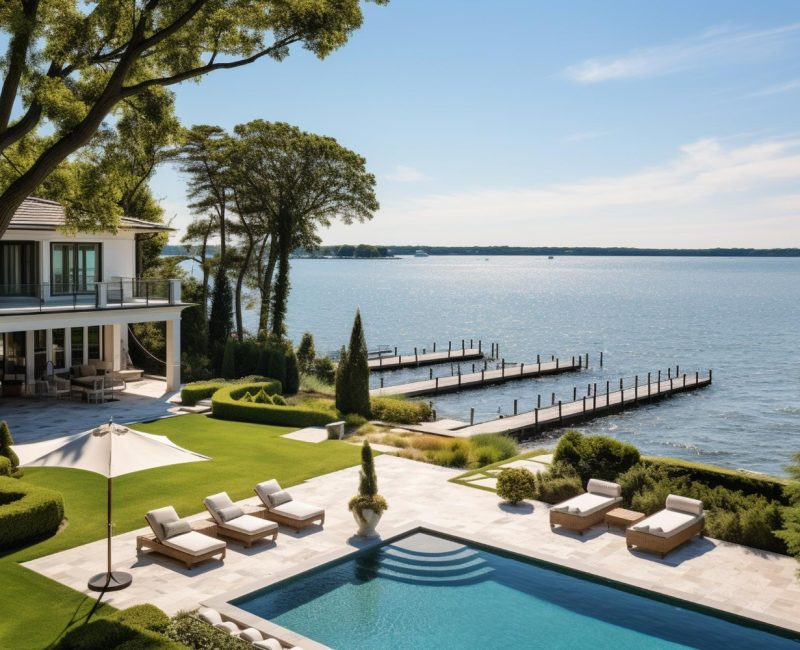
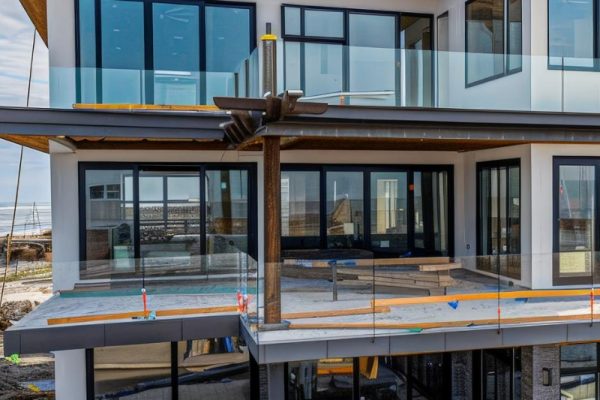
Building a home within flood regulations doesn’t mean sacrificing design. Because today’s construction strategies incorporate elevated foundations, durable materials, and thoughtful engineering, homeowners can enjoy both beauty and resilience. Impact-rated windows, reinforced roofing systems, and moisture-resistant building materials help protect the home during storms. Elevated utility placement ensures that critical electrical, HVAC, and plumbing systems remain above flood levels, reducing potential damage. Additionally, homes designed through Custom Home Design + Build integrate these requirements from the earliest planning stages. This proactive approach allows the architectural style-whether coastal, transitional, or modern–to remain cohesive while still meeting strict flood-zone regulations. In fact, materials chosen for elevated homes often age more gracefully, reducing long-term maintenance and preserving the home’s appearance.
Discover Coastal Home Designs →
Drainage and Water Management Strategies
Effective water management is critical for homes located in or near flood zones. Because Florida experiences periods of intense rain, proper drainage ensures that water flows safely away from home and does not pool near structures. Swales, grading adjustments, and engineered drainage channels help control water movement across the property. When designed through Architectural + Interior Design, these strategies blend beautifully with the home’s exterior environment. Plus, proper downspout placement, French drains, and permeable hardscapes contribute to long-term property performance. Homes with thoughtful drainage systems experience fewer moisture issues, better landscaping results, and improved overall durability. In fact, integrating drainage planning ensures that the home stays protected even during heavy seasonal rainfall.
Choosing Materials Designed for Flood-Zone Durability
Because moisture, wind, and humidity all impact material performance, selecting durable finishes becomes essential in flood-zone areas. Fiber-cement siding, metal roofing, elevated concrete foundations, and water-resistant insulation all contribute to a home’s lifespan. Interior materials also matter. Tile, engineered flooring, and moisture-resistant drywall offer additional protection in the event of extreme weather. Using Architectural + Interior Design, these selections elevate both style and resilience. Beyond that, materials designed for coastal environments require less long-term maintenance, reducing overall lifetime costs. In fact, choosing durable products ensures that the home maintains its beauty through years of climate exposure.
Insurance Considerations for Flood-Zone Homes
Insurance requirements depend heavily on flood-zone designation and elevation compliance. Because homes built below BFE face greater risk, premiums differ significantly between elevated and non-elevated structures. Raising the home above BFE often results in substantial annual savings. In addition, homes designed through Elevated Coastal Home Construction incorporate features that may qualify for additional insurance discounts-such as impact windows, reinforced roof systems, and high-performance foundations. In the same way, maintaining an updated elevation certificate helps ensure accurate insurance assessments year after year.
Understanding flood zones and elevation requirements is essential for anyone planning to build or purchase a home in Florida. By learning how FEMA maps, BFE, foundation types, and drainage strategies work together, homeowners can make confident decisions that enhance safety and long-term value. If you’re preparing to build in a flood-zone area or want to explore elevation strategies for your homesite, discover how Custom Home Design + Build and Elevated Coastal Home Construction can help you create a resilient, beautiful home built for Florida’s future.