

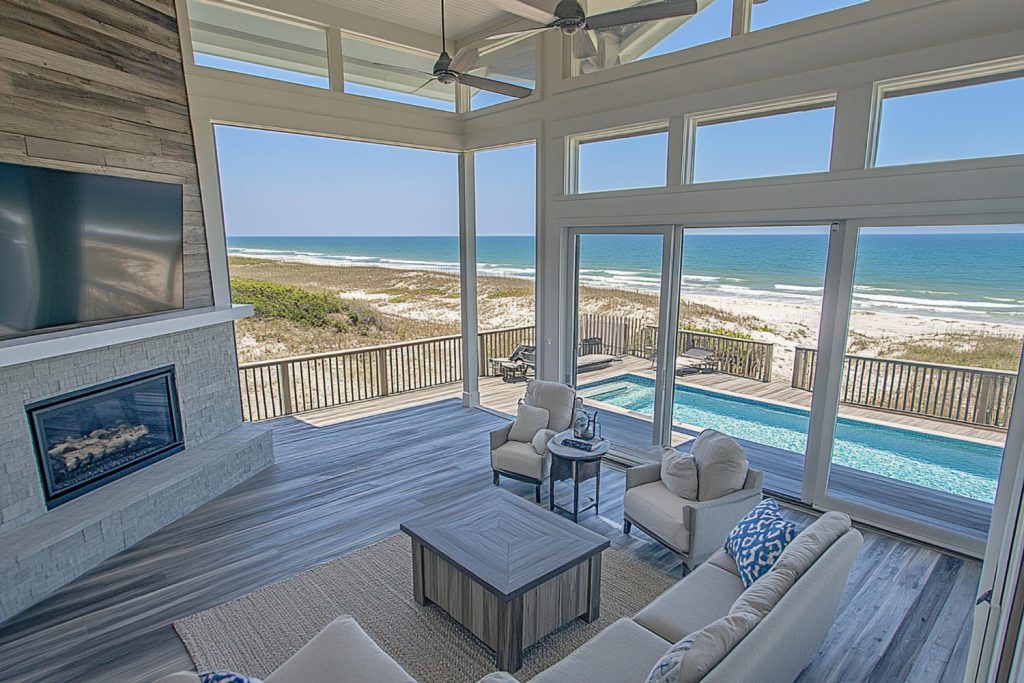
Coastal Home Maintenance Guide: How Conditions Affect Your Home
Coastal homes experience conditions unlike any other environment. Salt air accelerates corrosion on metal surfaces, humidity impacts wood and interior finishes, and UV rays slowly degrade exterior paint and sealants.
Because of this, maintenance is less about occasional repairs and more about building a consistent routine that protects every part of your home. Many issues begin subtly-such as fine salt mist settling on windows or moisture collecting in shaded corners-and grow over time if left unmanaged.
When homeowners understand these patterns, it becomes easier to monitor vulnerable areas. With Custom Home Design + Build, many high-performance materials are chosen early to reduce long-term maintenance, but regular care remains key to coastal longevity.
Plus, factors like storm exposure, landscaping, and sun direction all influence how specific areas of the home age. Observing these patterns helps you stay ahead of potential problems.
Maintenance for Coastal Homes: Protecting Exterior Finishes
The exterior is your home’s first line of defense, and coastal climates put it to the test. A proactive approach preserves curb appeal and prevents long-term structural issues. Paint, siding, stucco, and trim require regular cleaning to minimize salt buildup.
Although durable materials such as fiber cement or high-quality stucco withstand coastal weather better, they still benefit from gentle washing at least a few times a year. This prevents salt crystallization, mold growth, and early discoloration.
Additionally, exterior sealants and caulking need periodic inspection, especially around windows, doors, and rooflines. Because these areas naturally expand and contract with temperature shifts, weakening sealants can allow moisture intrusion.
Utilizing Architectural + Interior Design, exterior color palettes and materials are chosen not only for beauty but also for long-term durability in harsh coastal environments. In fact, planning seasonal inspections-particularly after summer storms-can significantly reduce future repair costs.

Roof Care and Long-Term Protection
Roofs in coastal regions endure strong winds, intense sunlight, and heavy rain. Regular inspection helps maintain structural integrity and prevent leaks. Because metal roofing performs exceptionally well in these conditions, many coastal homeowners prefer it.
However, even metal roofs require occasional rinsing to remove salt residue and preserve the finish. Tile roofs also remain popular in Florida, but they must be inspected for cracked tiles or loose fasteners.
Regardless of material, maintaining clean gutters and downspouts is crucial for proper water flow during heavy storms. Additionally, periodic roof inspections-especially after hurricane season-help identify repairs early.
Homes designed through Custom Home Design + Build incorporate reinforced roof structures that perform well in wind zones, but care and monitoring still help maintain longevity. In fact, investing in high-quality underlayment ensures peace of mind by adding an extra layer of protection beneath the roof itself.
Window and Door Maintenance for Coastal Conditions
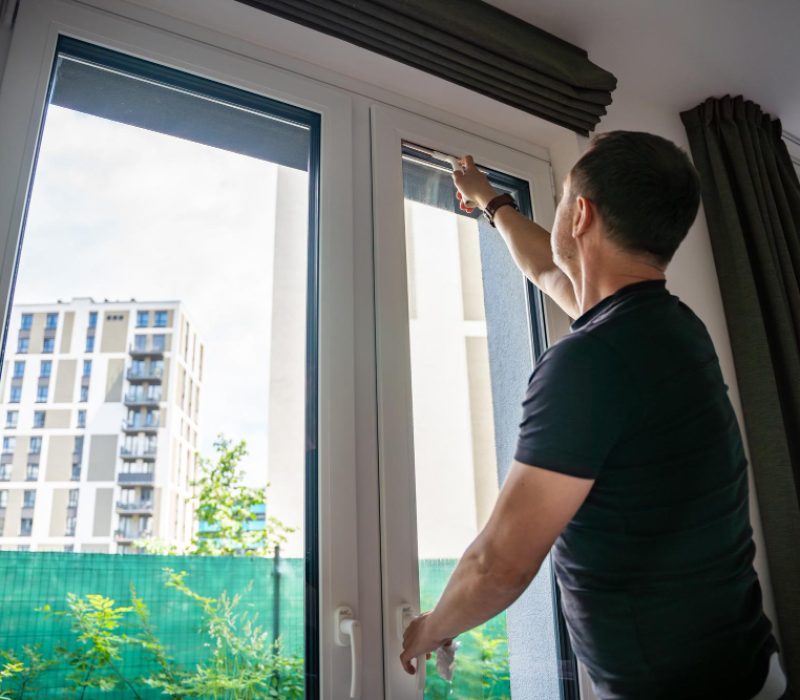
Impact-rated windows and doors offer exceptional protection in coastal homes, but they require periodic care to stay in peak condition. Because salt and moisture can accumulate around tracks, seals, and frames, washing these areas prevents corrosion and extends the lifespan of the components.
Lubricating moving parts with silicone-based products keeps windows and doors operating smoothly. Regularly checking locks, hinges, and weatherstripping ensures that your home remains airtight and energy-efficient, which is especially important during humid months.
Beyond that, impact glass should be inspected for chips or scratches, even if small. Through Elevated Coastal Home Construction, window systems are selected specifically for wind-load performance and long-lasting resilience.
In fact, maintaining these elements ensures your home remains protected during hurricane season and energy-efficient year-round.
Managing Moisture and Humidity Indoors
Indoor maintenance is just as important as exterior care. Because Florida’s coastal humidity can impact everything from drywall to flooring, managing moisture inside the home protects your finishes and enhances comfort.
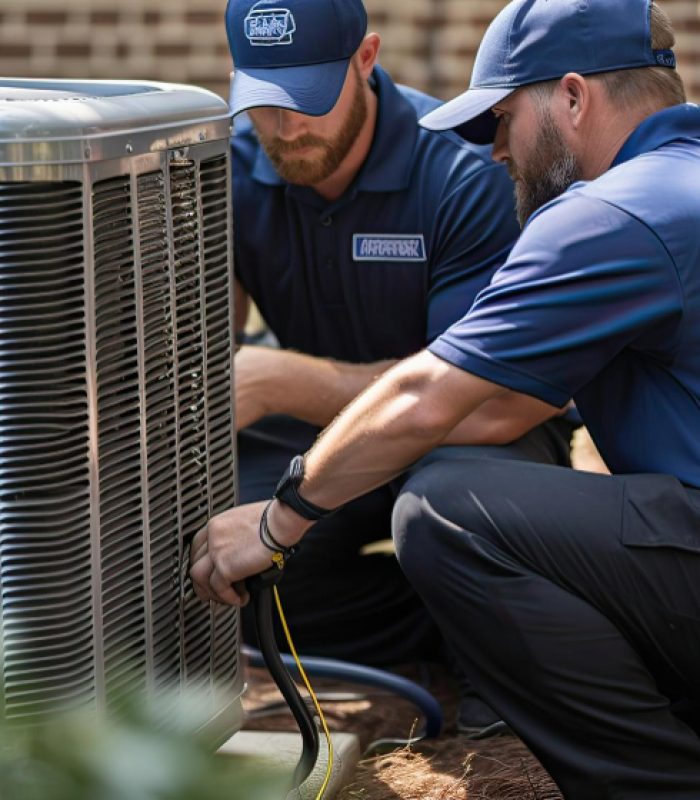
Air conditioning plays a major role in moisture control, so keeping your system serviced ensures proper performance. Dehumidifiers can also help, especially in areas like garages, laundry rooms, or lower-level storage areas.
What’s more, it’s important to address any signs of condensation quickly. Fogging windows, damp corners, or musty smells may indicate humidity imbalance.
Using Custom Home Design + Build, mechanical systems are planned specifically for Florida’s climate, improving long-term comfort and maintenance efficiency. More importantly, well-designed ventilation in bathrooms and kitchens helps reduce moisture-related wear and tear.
Landscaping and Drainage Considerations
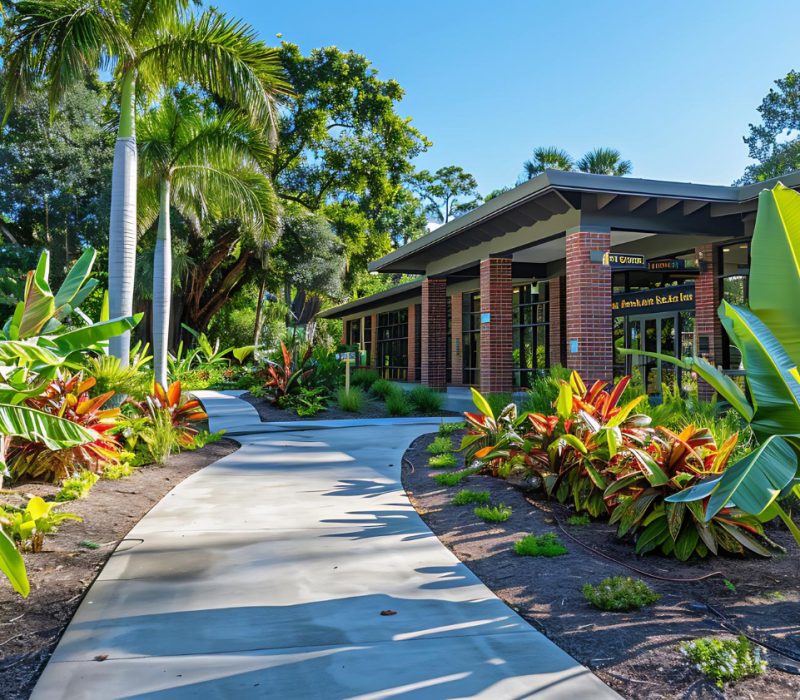
Landscaping plays a crucial role in Maintenance for Coastal Homes. Because proper drainage prevents water from accumulating around the foundation, homeowners should monitor how rainfall moves across the property.
Grading, gutters, and swales help support efficient drainage and protect the home during heavy storms. Coastal landscaping also requires special consideration. Native plants typically withstand salt exposure and high winds better than non-native species.
Maintaining shrubs and trees reduces wind resistance during storms and protects the exterior from impact. Additionally, irrigation systems should be inspected regularly to ensure water isn’t settling too close to the home.
Through Real Estate Development, outdoor planning incorporates long-term environmental resilience, which supports low-maintenance landscaping decisions. Furthermore, choosing hardscape materials that resist salt and humidity improves outdoor longevity.
Maintaining Outdoor Living Areas
Outdoor living spaces are essential in Florida, yet they require ongoing care. Salt air and UV exposure can fade surfaces and affect outdoor furniture, cabinetry, and decorative elements.
Regular cleaning helps maintain beauty, especially for materials like stainless steel, composite decking, and aluminum railings. Patio screens, lanais, and pool enclosures should also be inspected periodically.
Tears or bent frames can worsen during storms, so proactive repair keeps these areas functional year-round. By using Luxury House Plans, outdoor living designs often integrate durable materials selected for coastal longevity.
Additionally, pool equipment and outdoor kitchens should be rinsed to prevent salt corrosion, extending their lifespan. In fact, checking outdoor lighting and electrical systems before storm season ensures safety and continuity.
Seasonal and Annual Maintenance Checklist
Here are a few essentials to revisit each season:
-
-
Rinse exterior surfaces to remove salt
-
Inspect roofing and gutters
-
Clean window tracks and lubricate moving parts
-
Test HVAC systems and replace filters
-
Review drainage after heavy rainfall
-
Inspect outdoor structures and fencing
-
These tasks help maintain performance and prevent long-term damage. In addition, scheduling a professional inspection once a year-especially for roofing, mechanical systems, and exteriors-creates a proactive maintenance routine that safeguards your investment. Not only that, keeping a simple maintenance log helps track seasonal tasks and identify recurring issues.
Closing Thoughts
Understanding maintenance for coastal homes empowers homeowners to protect their property with confidence and clarity. By combining consistent exterior care, indoor moisture management, and thoughtful seasonal routines, coastal homes can thrive beautifully in Florida’s climate.
If you’re ready to design a coastal home built for longevity or want help strengthening an existing property, explore how Elevated Coastal Home Construction and Custom Home Design + Build can guide your long-term maintenance strategy.