

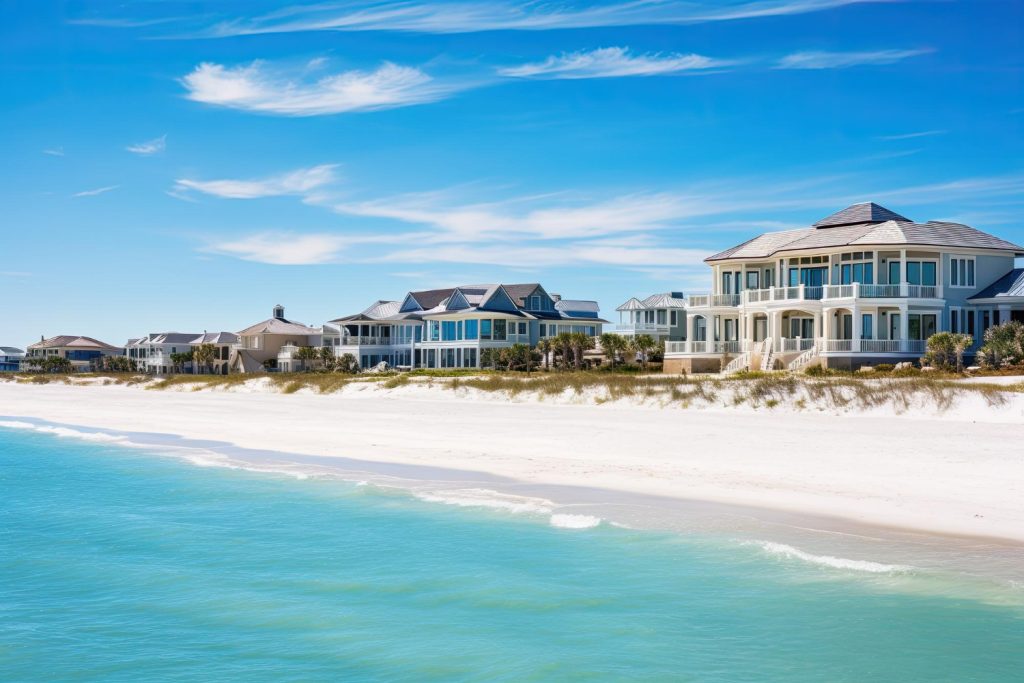
Best Roofing Materials for Coastal Homes
Choosing the right roofing material is one of the most important decisions for homeowners building or renovating in Florida’s coastal environments. Because salt air, high winds, humidity, and storm exposure all influence long-term performance, not every roofing option can withstand the demands of life near the water. Selecting materials designed for strength, durability, and energy efficiency helps protect your home while enhancing its architectural appeal.
Coastal homes require roofing systems that go beyond aesthetics. Metal, tile, and advanced composite materials each offer unique advantages, especially when engineered for hurricane-prone regions. These products are designed to resist corrosion, shed water efficiently, and maintain structural integrity during extreme weather. Pairing the right materials with proper installation ensures your roof performs reliably, even under challenging coastal conditions.
Whether you’re building a new home or upgrading an existing one, understanding the best roofing options for coastal living supports both safety and long-term value. With the right combination of materials, engineering, and design, your roof becomes a strong protective barrier that stands up to Florida’s climate while complementing your home’s style. Thoughtful planning now creates a roof that’s beautiful, resilient, and built to last.
Metal Roofing: The Premier Choice for Coastal Durability and a Long Lifespan
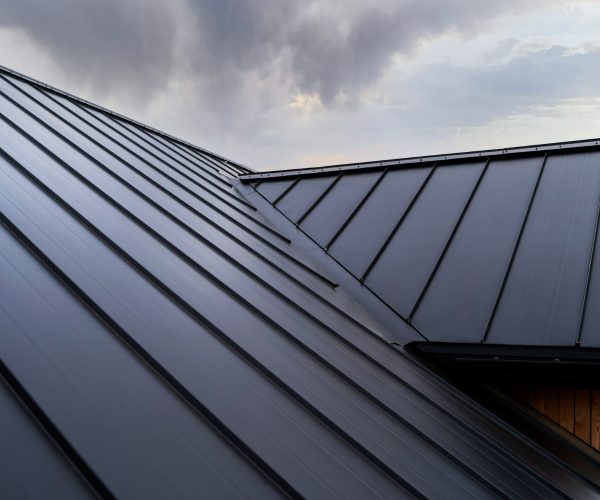
Metal roofing remains one of the most popular and resilient options among the Best Roofing Materials for Coastal Homes. Because metal roofs withstand salt exposure, high winds, and strong storms, they offer homeowners unmatched longevity and performance. It provides high wind resistance, excellent fire protection and a long lifespan, often 40-70 years.
Standing-seam metal roofs, in particular, provide superior waterproofing due to their concealed fasteners. Aluminum versions are especially well-suited for Florida’s coast, as they resist corrosion even in salty air. On top of that, metal roofs come in a wide range of colors and profiles, making them versatile for modern coastal, Key West, farmhouse, or contemporary architecture. With Custom Home Design + Build, homeowners receive guidance on which metal profiles best complement their chosen style. In fact, metal roofing can reduce cooling costs during peak summer months thanks to heat-reflective coatings.
Flat Concrete and Clay Tile for Classic Coastal Style
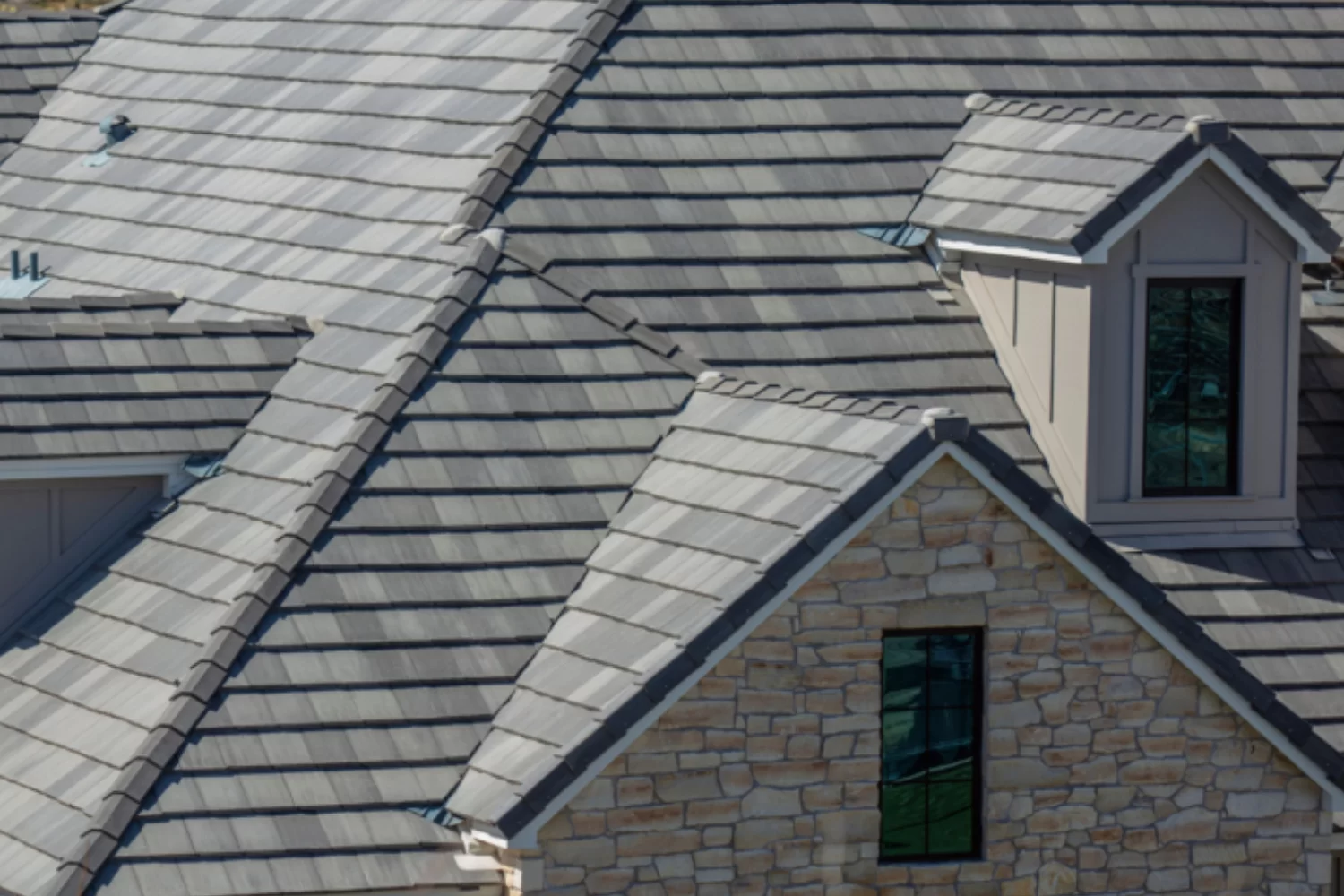
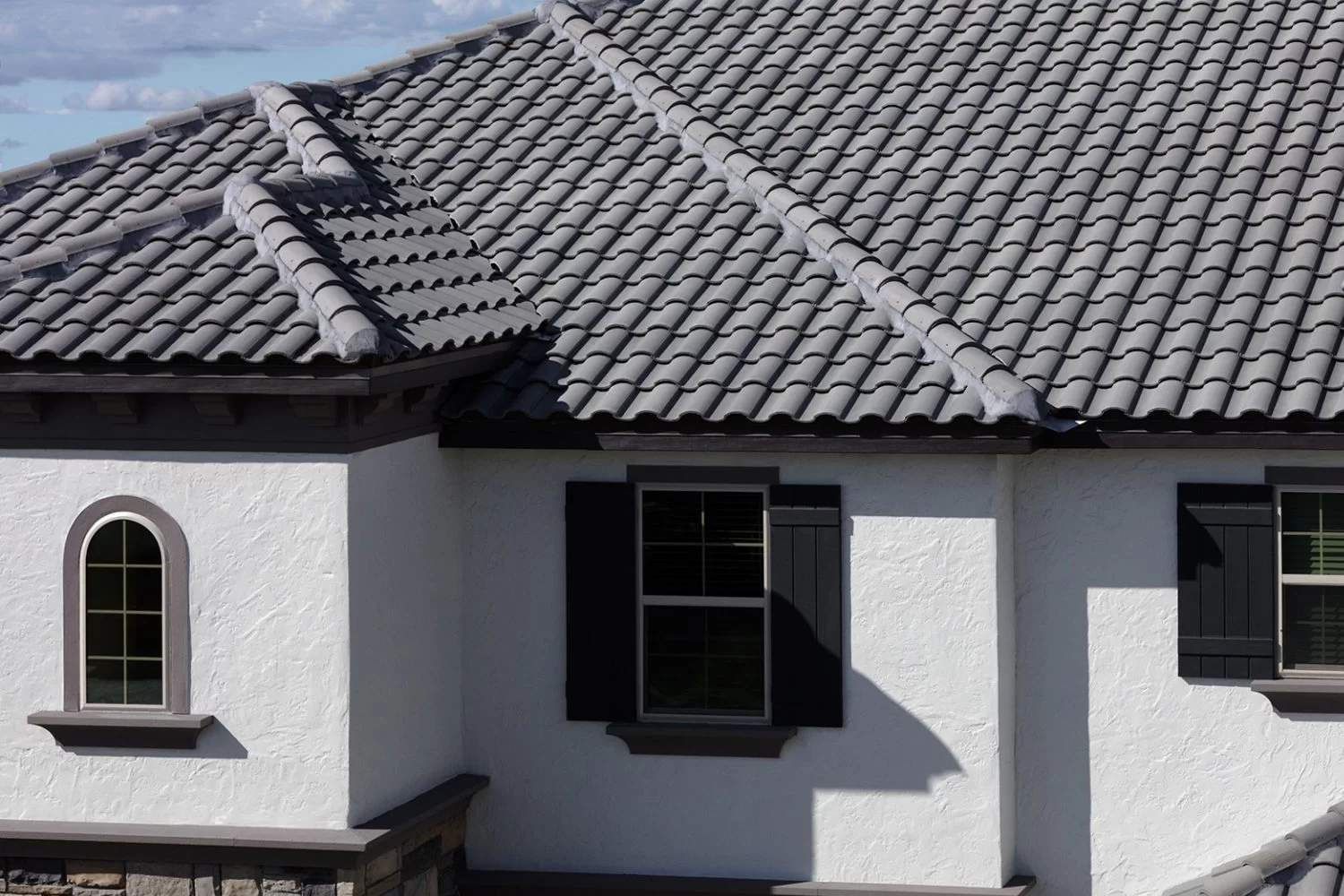
Concrete and clay tile roofs are iconic in Florida, especially in Mediterranean, Spanish Revival, and coastal contemporary homes. Because tile roofing is heavy, durable, and fire-resistant, it remains a top choice for homeowners seeking a timeless aesthetic.
Concrete tiles offer exceptional durability and are more affordable than clay, while clay tiles provide classic elegance with natural color variations. Moreover, tile roofing must be installed on a properly engineered structure due to its weight. By using Elevated Coastal Home Construction, roof engineering ensures the home’s structure supports the tile load safely and efficiently. In fact, tile roofing performs exceptionally well in Florida’s sun, maintaining long-term visual appeal.
Flat Roofing Systems for Modern and Low-Slope Homes
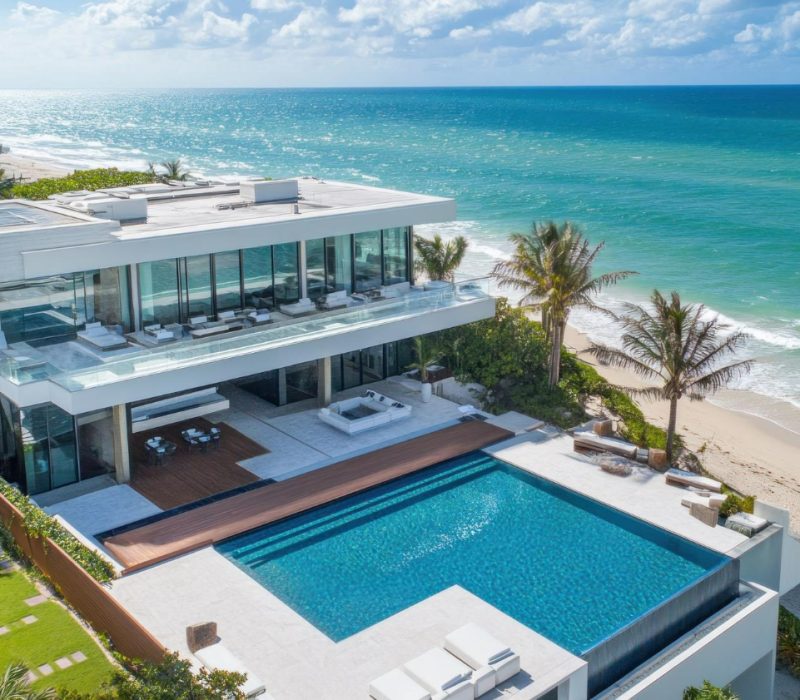
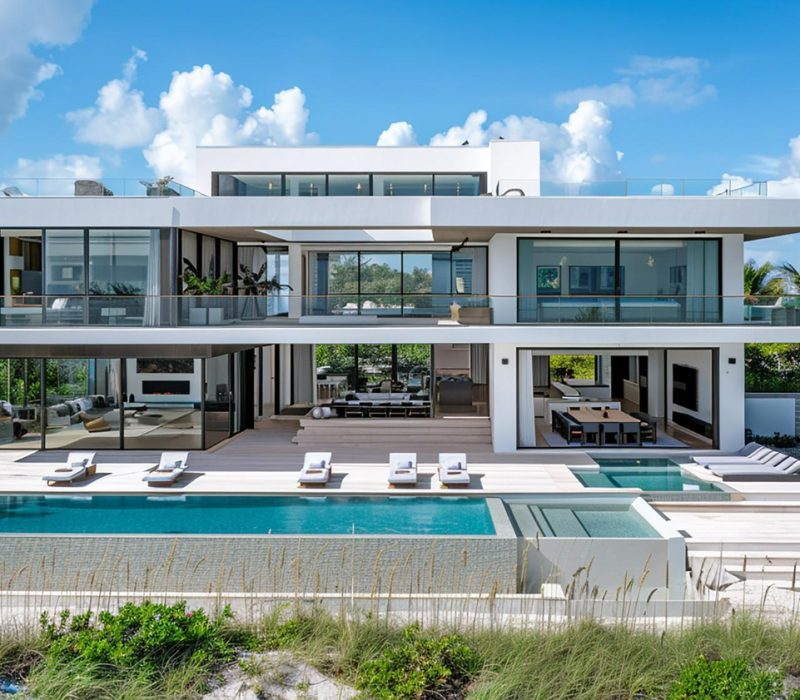
Modern coastal homes often feature flat or low-slope rooflines. Because these designs require specialized materials, choosing the right roofing system is essential for long-term waterproofing and performance.
These materials offer excellent heat resistance, durability, and seamless waterproof protection. Beyond that, flat roofs often allow for integrated solar panels, rooftop decks, or mechanical placement. When coordinated through Custom Home Design + Build, the roofing system complements both structural needs and modern aesthetic goals. Not only that, flat roofing systems require regular maintenance to ensure proper drainage and membrane integrity.
Affordable Roofing Materials for Coastal Homes: Architectural Shingles
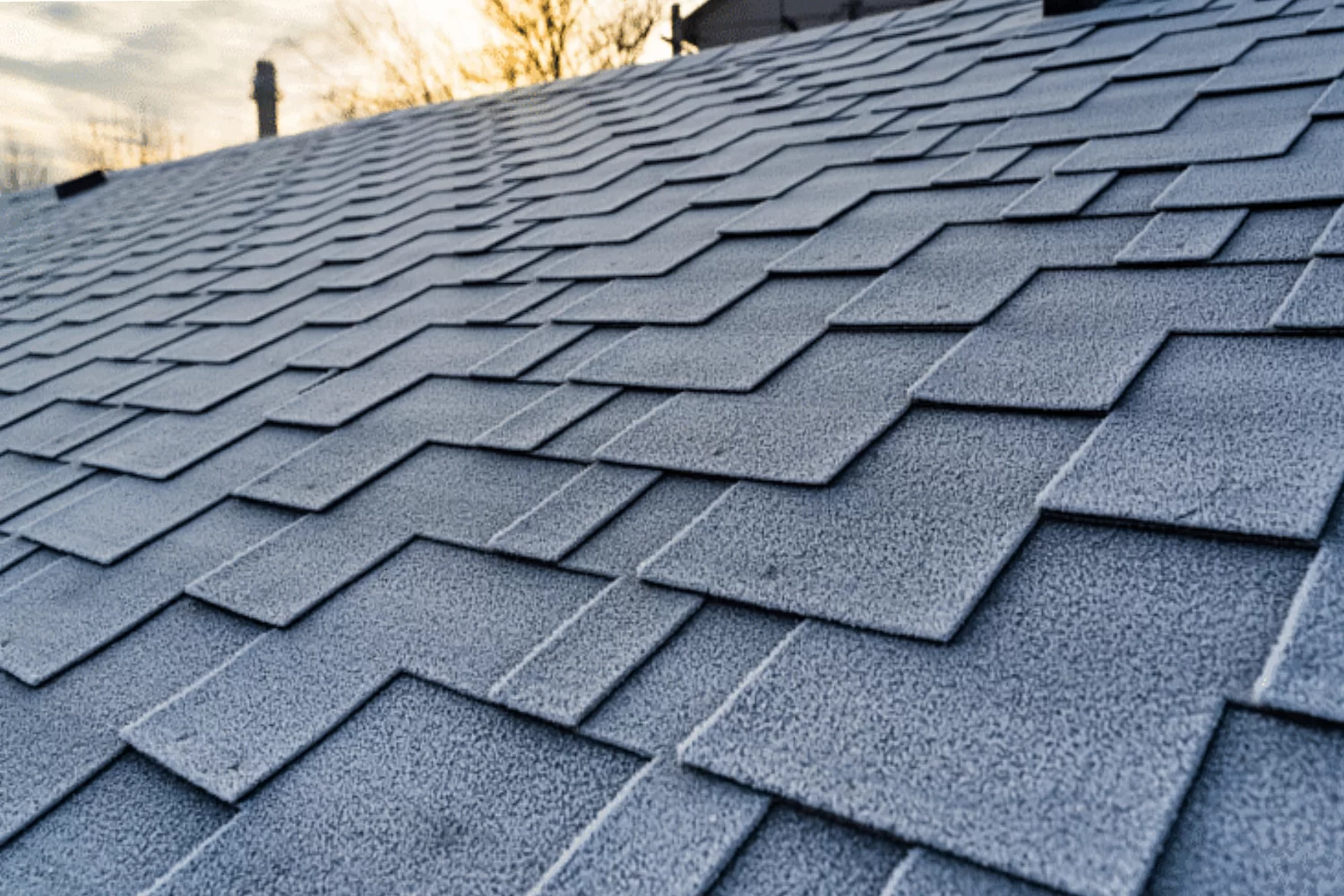
Architectural asphalt shingles remain popular due to their affordability and improved durability over traditional 3-tab shingles. Because modern architectural shingles are engineered to withstand stronger winds and harsher weather, they offer a practical option for many Florida homeowners.
While architectural shingles may not last as long as metal or tile, they perform well when properly installed and maintained. Additionally, shingles are available in many colors and textures that complement a variety of home styles-from coastal bungalow to transitional farmhouse. Utilizing Architectural + Interior Design, material selection ensures the roof blends beautifully with your exterior palette. More importantly, architectural shingles offer an excellent balance of value, aesthetics, and resilience.
Composite Roofing Materials
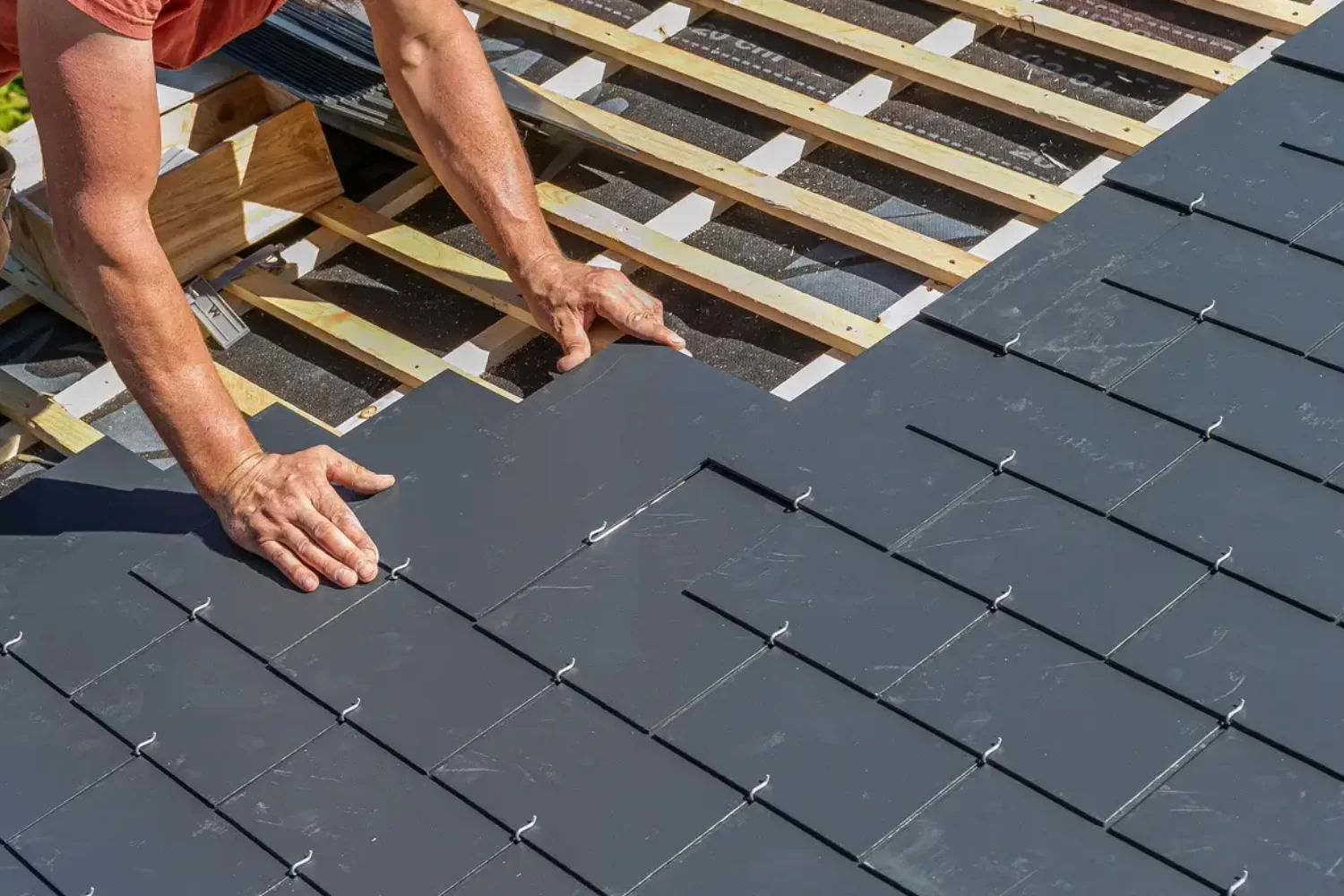
Composite roofing materials are engineered to imitate wood shake, slate, or tile while offering improved durability. Because these materials resist mold, splitting, and salt-air exposure, they are well-suited for coastal regions.
Brands offering composite roofing often include long warranties and advanced performance coatings. Additionally, composite roofing provides aesthetic flexibility for homeowners who want the look of traditional materials without the long-term maintenance commitment.
Through Architectural + Interior Design, these materials can be incorporated into a cohesive coastal exterior. Also, composite products can help reduce environmental impact with recyclable or sustainable components.
How Roof Structure Impacts Material Selection
Choosing the right roofing material requires an understanding of your home’s structural design. Because each roofing product has different weight, ventilation, and installation needs, engineering must align with both aesthetics and functionality.
Using Elevated Coastal Home Construction, engineering ensures that the roof system meets Florida Building Code requirements while maintaining the home’s architectural integrity. Additionally, material compatibility with your climate, flood zone, and wind zone must be considered early in the design phase. In fact, your builder will ensure proper underlayments, fasteners, and flashing are incorporated to maximize lifespan.
Impact Ratings and Hurricane Performance
Hurricane performance is one of the most critical factors when selecting the Best Roofing Materials for Coastal Homes. Because coastal regions face strong winds and flying debris, impact-rated materials improve safety and resilience.
Metal roofs and tile roofs often perform exceptionally well under hurricane conditions when installed correctly. Plus, roofing underlayments-such as peel-and-stick membranes-provide an extra layer of protection beneath the roof covering. Through Custom Home Design + Build, these extra measures create long-term peace of mind. In fact, improved roof performance may lower insurance premiums in coastal zones.
Energy Efficiency and Cooling Benefits
Energy efficiency is an important consideration for Florida homeowners. Because roofing materials impact attic temperatures and cooling needs, selecting energy-smart materials can reduce long-term utility costs.
Metal roofing and TPO membranes often rank among the best for energy savings. What’s more, reflective shingles and light-colored tile roofs help diminish heat absorption. Through Architectural + Interior Design, roof color and material selection harmonize with the home’s exterior palette while improving energy performance. Furthermore, a well-designed roof enhances indoor comfort during Florida’s warmest months.
Maintenance Considerations by Roofing Type
Every roofing material requires its own maintenance routine. Because coastal homes experience salt air, humidity, and storms, staying ahead of maintenance ensures maximum lifespan. Metal roofing requires occasional rinsing to remove salt buildup. Tile roofing needs periodic inspection for cracked or displaced tiles. Shingle roofs should be evaluated yearly for granule loss or damaged shingles. Flat roofs require debris removal and membrane checks. Also, proper gutter maintenance helps every roofing system perform better. Through Custom Home Design + Build, maintenance recommendations are tailored to your selected roofing material and location. In fact, timely maintenance prevents minor issues from turning into costly repairs.
Closing Thoughts
Choosing the Best Roofing Materials for Coastal Homes ensures your Florida home remains strong, energy-efficient, and visually stunning. Whether you prefer metal, tile, architectural shingles, composite roofing, or flat-roof systems, the right material provides lasting protection and enhances curb appeal. If you’re ready to design a roof that balances durability and beauty, explore how Custom Home Design + Build and Elevated Coastal Home Construction can help you select and integrate the best options for your coastal home.