

The Impact of Site Conditions and Lot Preparation
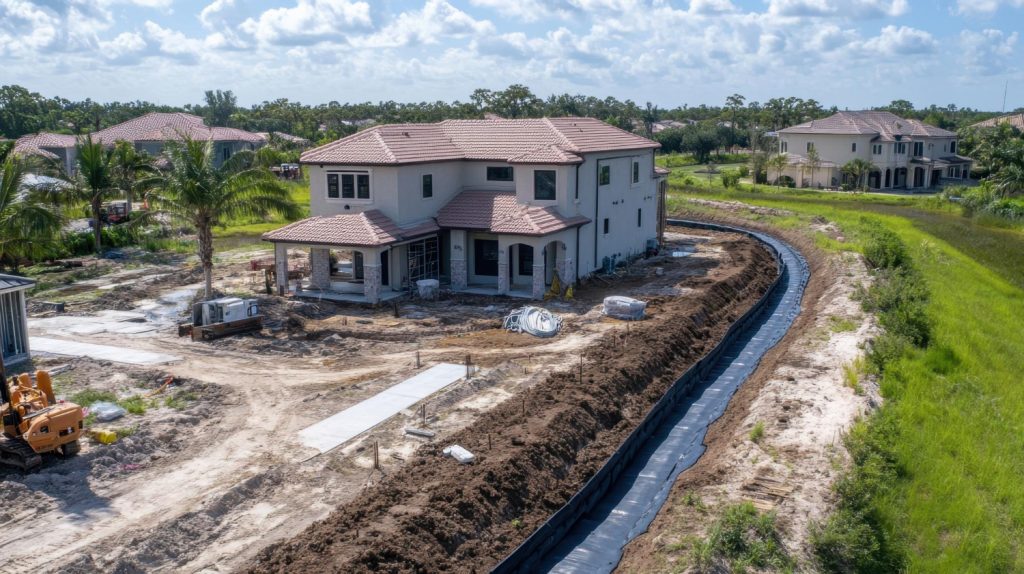
One of the most common hidden costs relates to the homesite itself. Although a lot may appear build-ready, coastal terrain, soil depth, trees, or access challenges can influence how much work must be done before construction begins.
Because every lot in Florida varies, preparation often includes clearing vegetation, leveling the land, adjusting drainage, and creating safe access paths for heavy equipment. In addition, soil testing may reveal deeper issues such as soft ground that requires stabilization or engineering adjustments.
Waterfront lots, in particular, often require retaining features or drainage improvements before foundation work can begin. While these costs are not unusual, homeowners sometimes underestimate how much preparation is required for a structurally sound home.
In fact, when building along the coast, elevation requirements may force additional foundation systems that naturally increase preparation costs-but also provide long-term resilience.
Hidden Costs When Building a Custom Home: Engineering and Elevation Requirements
Engineering is another area where hidden costs often emerge. Because Florida demands strict compliance with hurricane codes, wind loads, and uplift requirements, engineering is more complex than in many other states.
Homes located in AE or VE flood zones require elevation above Base Flood Elevation, along with specialized foundation systems such as stem walls, piers, or pilings. These elevation-related requirements increase both engineering and material costs.
With Elevated Coastal Home Construction, structural strategies like reinforced framing, engineered trusses, and impact systems are designed specifically for high-risk coastal areas. While these features elevate cost, they are essential for safety and insurance compliance.
Beyond that, environmental agencies may require documents related to wetlands, shoreline setbacks, or preservation areas, which can extend timelines and add professional fees. In fact, advanced engineering helps prevent long-term maintenance costs and ensures your home withstands Florida’s seasonal storms.
Utility Connections, Access, and Infrastructure Costs
Another hidden cost comes from bringing utilities to the homesite. Because neighborhoods vary widely in their infrastructure, some lots require extensive work to connect water, sewer, electric, or natural gas. In rural or undeveloped areas, this may include installing septic systems, well systems, or substantial trenching.
Even in established neighborhoods, unexpected utility adjustments can arise. Municipal requirements may call for upgraded lines, relocation of meters, or modified connection points.
By using Real Estate Development, these considerations are evaluated early so homeowners understand what to expect before construction begins. Additionally, driveway installation, culverts, and site-access modifications may be required depending on the lot’s configuration. In the same way, these improvements-not immediately visible-often add meaningful value to the property long-term.
The Cost of Architectural and Interior Customization
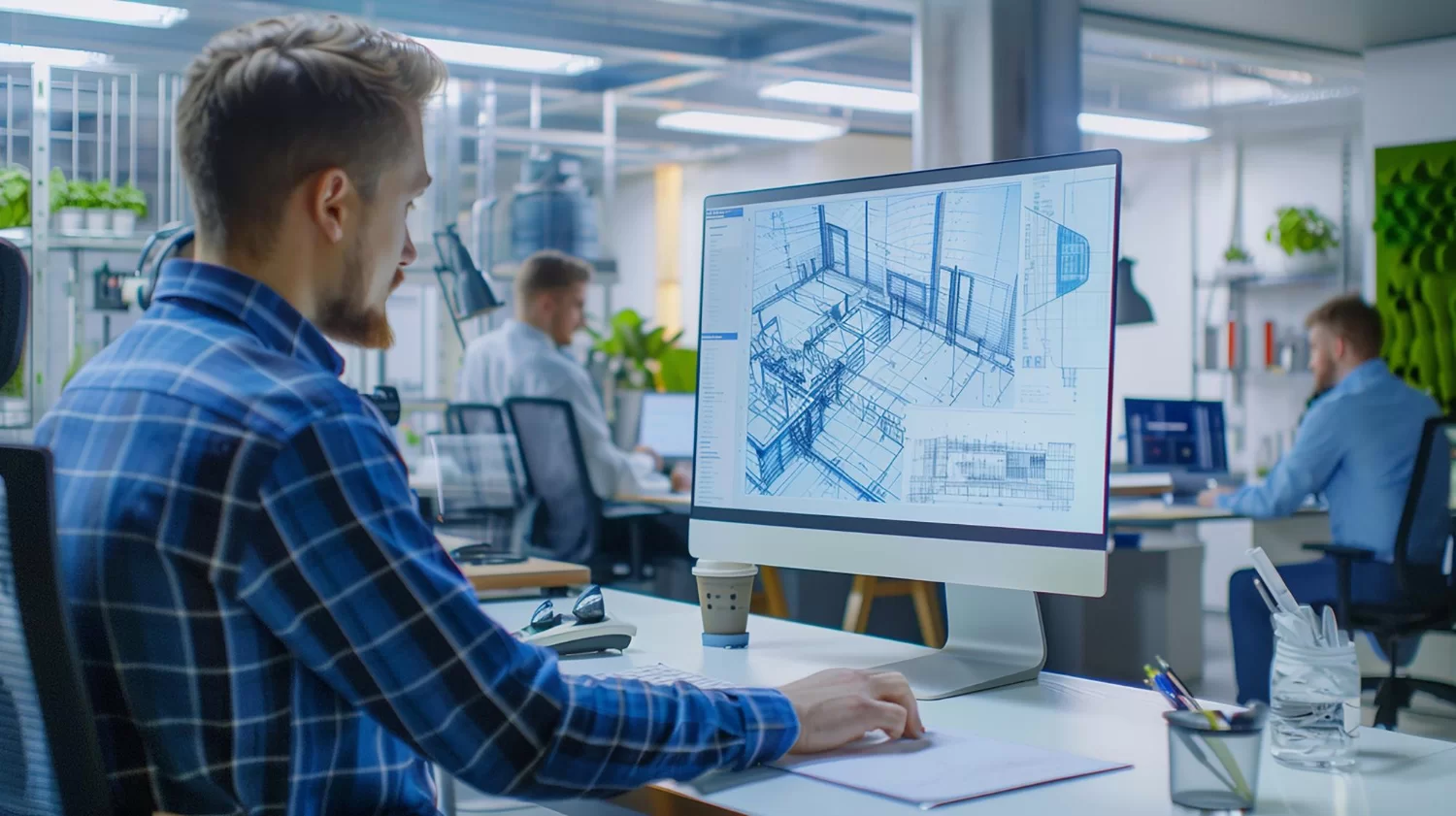
Personalized design is one of the joys of building a custom home, yet customization often comes with additional costs. Because most homeowners refine or expand their ideas as design progresses, adjustments to room sizes, window placements, or outdoor spaces may increase complexity.
Upgraded finishes, specialty lighting, and high-end materials also add to the final cost but significantly elevate the home’s beauty. Additionally, custom cabinetry, millwork, built-ins, and architectural elements require more craftsmanship and time than standard installations.
Using Architectural + Interior Design, these details are planned efficiently to avoid costly revisions later. More importantly, selecting durable materials for Florida’s climate-such as porcelain tile, impact-rated systems, or marine-resistant hardware-ensures longevity, reducing maintenance costs over time.
Permitting, Impact Fees, and Regulatory Expenses
Permitting costs vary widely by county and are often underestimated. Because Florida requires structural review, energy calculations, and environmental approvals, permitting fees may include multiple agency charges. Impact fees-charged by counties for new construction, are another major cost category.
These fees support community infrastructure such as roads, schools, and public services and can add thousands to the budget, depending on home size and location. Additionally, certain areas require special permits related to coastal construction, tree removal, engineering revisions, or site grading.
While these fees are necessary, they can take homeowners by surprise if not reviewed early in the process. By using Custom Home Design + Build, permitting requirements and impact fees are outlined clearly so homeowners know what to expect from the start. In fact, thorough documentation reduces delays and helps keep the project on schedule.
Hidden Costs Related to Interior Systems and Upgraded Performance
Mechanical systems represent a meaningful portion of a home’s budget, yet many homeowners underestimate the cost of quality HVAC, electrical systems, and plumbing components.
Because Florida’s climate demands high-performance cooling, HVAC systems may need multi-stage units, enhanced ductwork, or dehumidification equipment. Electrical upgrades such as recessed lighting, whole-home surge protection, generator readiness, and smart-home systems also contribute to hidden costs.
While optional, these features significantly improve comfort and convenience. Also, plumbing materials, tankless water heaters, and premium fixture brands can increase long-term efficiency but cost more upfront.
Through Custom Home Design + Build, mechanical layouts are developed early to help homeowners balance performance with overall investment. In fact, durable systems reduce long-term maintenance and support the comfort of daily living.
Outdoor Living Features and Exterior Enhancements
Outdoor spaces are central to Florida living, yet they often represent hidden costs because many homeowners expand these areas during the design phase. Patios, lanais, pools, outdoor kitchens, pergolas, and screened enclosures all add value-but require significant structural and material investment.
Because outdoor areas are exposed to salt, humidity, and UV rays, selecting durable materials is essential. Stainless steel cabinetry, porcelain pavers, and marine-grade finishes increase cost but perform better long-term. In addition, exterior elements such as pavers, walkways, fencing, and landscape lighting influence final construction costs.
Through Luxury House Plans, outdoor living areas are integrated into the initial design to ensure accurate budgeting. In fact, thoughtful outdoor planning enhances both lifestyle and property value.
Financing, Insurance, and Post-Construction Considerations
Financing costs may include appraisal fees, lender inspections, interest payments during construction, and closing costs. These expenses are often overlooked when budgeting for a custom build.
Insurance premiums-especially in coastal areas-also contribute to the total investment. Impact-rated windows, reinforced roof systems, and elevated foundations may reduce insurance costs, yet the premiums for coastal properties still tend to be higher than inland locations. Plus, moving expenses, furniture purchases, window treatments, and landscaping upgrades often arise after construction is complete.
Through Custom Home Design + Build, homeowners receive guidance on these additional considerations so they can plan the full scope of their investment without surprises. In fact, understanding these costs helps homeowners transition smoothly into their new home.
Closing Thoughts
Understanding the Hidden Costs When Building a Custom Home empowers homeowners to plan with confidence and clarity. Although certain expenses may not be obvious at first, transparent planning ensures your final investment supports long-term durability, beauty, and comfort-especially in Florida’s coastal environment.
If you’re ready to build and want a clear, organized, and fully transparent experience, discover how Custom Home Design + Build and Architectural + Interior Design can guide you through every detail of your custom home journey.