

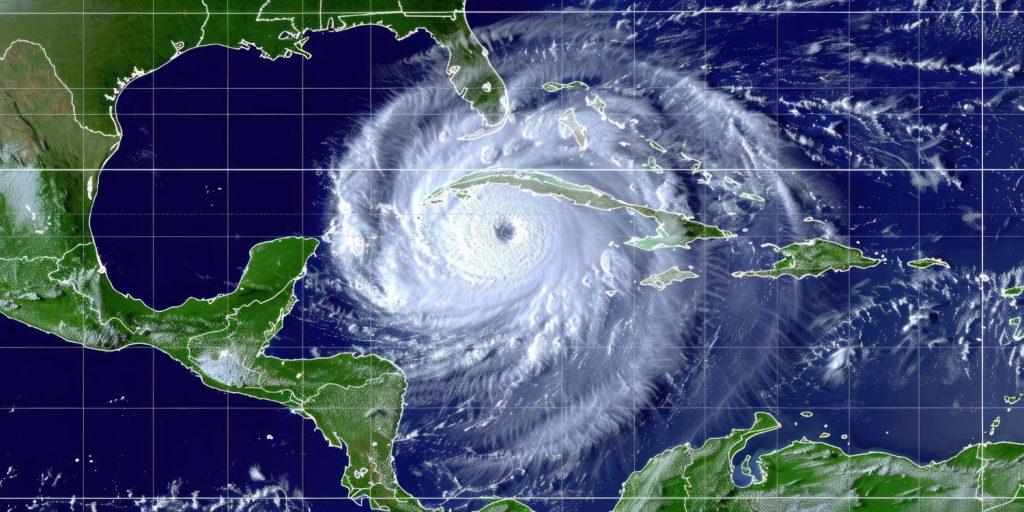
Hurricane Preparedness for Homeowners: Understand Your Home’s Risk Level and Flood Zone
Your first step in hurricane preparedness is understanding your home’s vulnerability. Because Tampa Bay features a mix of inland areas, coastal neighborhoods, and low-lying regions, risk varies significantly. If you live in AE or VE flood zones, elevation and advanced engineering play crucial roles in storm protection. Reviewing your home’s elevation certificate clarifies how susceptible the structure is to storm surge or flooding. Additionally, through Custom Home Design + Build, homes are planned around site-specific considerations such as wind direction, elevation requirements, and soil drainage. In fact, understanding risk levels helps determine which protective features are essential for your home.
Hurricane Preparedness for Homeowners: Protecting Windows and Doors
Windows and doors are critical components of hurricane defense. Because pressure changes and flying debris pose major risks, protecting openings is essential.
If your home does not have impact-rated systems, storm shutters or panels can provide temporary protection. Ensure that all shutter hardware is accessible and labeled long before a storm arrives. Plus, garage doors should be reinforced, as they are one of the most common points of failure in hurricanes. Through Elevated Coastal Home Construction, impact systems are integrated into the structure for maximum protection. In fact, maintaining weatherstripping and seals enhances resilience and energy efficiency.
Strengthen Roofing Systems and Inspect for Weak Points
Your roof endures the most intense wind and rain during a hurricane. Because roof failure often leads to extensive interior damage, regular inspections remain essential.
Metal roofs often offer superior wind resistance, but all roofing materials should be installed and maintained according to Florida Building Code requirements. Beyond that, clearing gutters improves water drainage during heavy rains. Using Custom Home Design + Build, roofing materials and structural connections are selected to withstand high winds and prolonged moisture exposure. In fact, scheduling a professional inspection before hurricane season helps identify potential vulnerabilities early.
Prepare Your Landscaping and Outdoor Areas
Outdoor spaces require special attention before a hurricane. Because flying debris poses significant danger, securing everything outside reduces the risk of damage.
Additionally, consider replacing certain landscape features with wind-resistant plants, particularly if you live along the coast. With Architectural + Interior Design, landscape plans can incorporate plant varieties suited for storm-prone regions. Also, properly maintained landscaping supports better water flow and reduces the risk of flooding.
Create a Comprehensive Emergency Supply Kit
Every homeowner should have an emergency supply kit ready before hurricane season. Because storms can disrupt power, water supplies, and road access, preparation ensures safety and comfort.
Recommended supplies include:
-
- Bottled water (one gallon per person per day)
- Non-perishable food
- Flashlights and batteries
- First-aid supplies
- Portable chargers
- Medications and important documents
- Pet supplies
Documents and valuables should be stored in waterproof, fire-resistant containers. Because water damage is common during hurricanes, taking preventive steps reduces stress after the storm.
In addition, consider buying a generator or portable power station, especially if your home relies on medical devices or refrigeration.
Develop a Family Communication and Evacuation Plan
An evacuation plan provides clarity during uncertain moments. Because hurricanes can change direction rapidly, having a pre-established strategy helps avoid last-minute confusion.
Create a plan that includes:
-
- Evacuation routes
- Local shelter locations
- A designated meeting place
- Communication methods if cell service fails
- Special considerations for pets, seniors, or medical needs
Also, keep your vehicle’s fuel tank at least half full during hurricane season to avoid delays during evacuation orders. Through Real Estate Development, communities may have specific evacuation routes or shelter guidelines that homeowners should become familiar with. In fact, practicing your plan ensures everyone in your household knows exactly what to do. Through Custom Home Design + Build, whole-home generators can be integrated into your electrical system for seamless backup power.
Prepare for Power Outages and Flooding
Power outages can last hours or even days. Because Tampa Bay is prone to heavy rainfall, homeowners should plan for both electricity loss and potential flooding. Make sure to charge all devices, test generators, store extra fuel safely, have lanterns and battery-powered fans on hand. Your flood-preparation steps should include: Elevating essential items, Placing sandbags around vulnerable areas, Moving vehicles to higher ground, and Checking sump pumps if applicable.
Additionally, test your home’s drainage systems before the storm arrives. By using Elevated Coastal Home Construction, homes are designed with integrated drainage strategies to reduce flood risk. In fact, having a plan for water shutoff valves helps prevent plumbing damage.
Post-Storm Safety and Inspection Guidelines
After a hurricane passes, safety remains critical. Because hidden hazards may exist, homeowners should proceed with caution.Make sure to: Avoid downed power lines, Check for gas leaks, Inspect windows and doors for damage, Check the roof from a safe distance, and Document all damage for insurance claims.
Additionally, avoid walking through standing water, as it may contain contaminants or conceal hazards. Using Custom Home Design + Build, many structural vulnerabilities are minimized thanks to resilient construction methods. Furthermore, working with reputable contractors ensures repairs are completed safely and correctly.
Closing Thoughts
Understanding Hurricane Preparedness for Homeowners empowers you to protect your home, family, and investment throughout storm season. By combining structural resilience, strategic preparation, and thoughtful planning, you can face severe weather with confidence and peace of mind. If you’re ready to enhance your home’s hurricane protection-or design a new coastal home built for Florida’s climate-discover how Elevated Coastal Home Construction and Custom Home Design + Build can help strengthen your property from the ground up.