

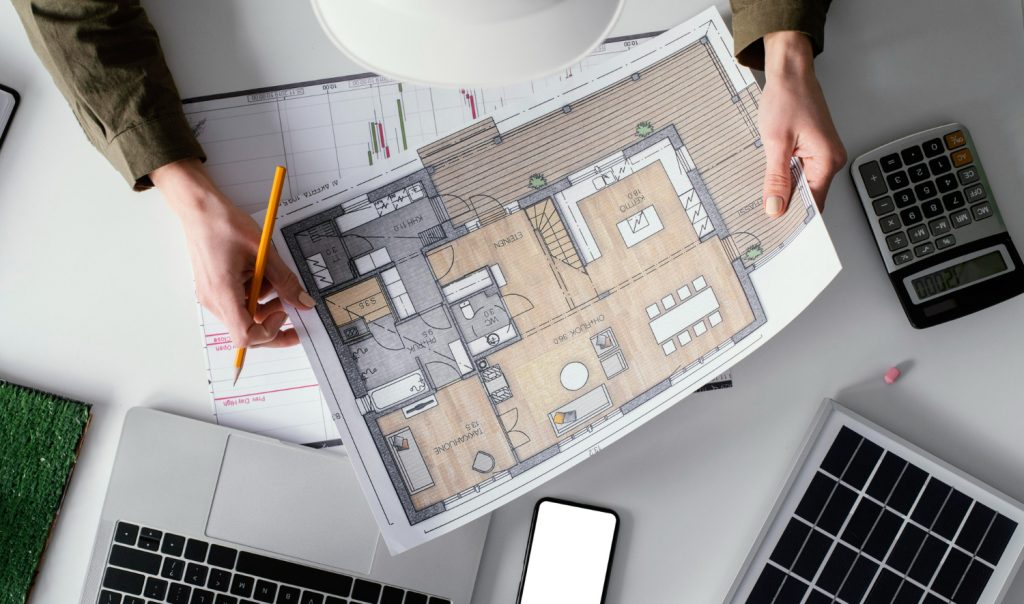
How to Choose the Right Floor Plan for the Way You Live
Selecting the right floor plan begins with a clear understanding of how you move through your day. Because every household has its own rhythms—morning routines, work habits, family schedules, and entertaining styles—the perfect layout should support the way you live naturally. Homes that reflect real lifestyle needs feel more comfortable, organized, and intuitive from the moment you walk inside. When you start with your daily patterns, it becomes easier to identify which layouts enhance convenience and which ones may create unnecessary limitations.
A great floor plan balances flow, functionality, and flexibility. For some homeowners, open-concept living creates a bright, connected environment where cooking, gathering, and relaxing all happen in one space. Others prefer defined rooms that provide privacy, quiet, and structure to the home. As you compare layouts, consider how you use your kitchen, where you prefer to unwind, how often you entertain, and which spaces matter most to your long-term goals. These insights ensure the layout truly reflects your priorities rather than following a one-size-fits-all trend.
It’s also important to look ahead and think about how your needs may evolve. Families grow, careers shift, hobbies expand, and lifestyles change over time. Choosing a floor plan with adaptable spaces—such as flex rooms, expanded storage, or multipurpose areas—allows your home to evolve with you.
Start With Your Lifestyle and Daily Routines
Lifestyle should guide your floor-plan decisions. Because every family operates differently, the ideal layout reflects how you spend your time, where you gather, and how you use each space. Consider these factors:
-
- Do you prefer open-concept living or defined rooms?
- How often do you entertain?
- Do you need dedicated workspaces?
- How many people will live in the home?
- Will the home adapt to future family changes?
If you enjoy entertaining, spacious kitchens, open great rooms, and outdoor living access may be priorities. Families with young children may prefer sightlines between living areas, while empty nesters may opt for a primary suite separated from guest rooms.
When your layout is shaped intentionally around your lifestyle, it becomes more than a collection of rooms; it becomes a foundation for comfort, creativity, and everyday ease.
Beyond that, through Architectural + Interior Design, designers help translate your lifestyle into functional layouts that feel intuitive and elegant. In fact, clarity on lifestyle needs prevents costly redesigns later in the process.
How to Choose the Right Floor Plan: Evaluate Your Lot Size and Shape
The characteristics of your lot strongly influence your floor plan. Because each property comes with unique dimensions, slopes, and sunlight patterns, the plan must complement the land rather than fight it. Key considerations include:
-
- Lot width
- Lot depth
- Sunlight direction
- Wind exposure
- Views and privacy
- Drainage patterns
- Flood-zone requirements
Narrow lots often work best with vertical layouts or floor plans that maximize side setbacks. Wider lots support sprawling single-story homes with more flexibility for outdoor living spaces. Additionally, lots in coastal or AE/VE flood zones require elevation that impacts entries, stair placement, and ground-level storage. Through Elevated Coastal Home Construction, floor plans are adapted to ensure both beauty and structural resilience. In fact, maximizing natural features-such as water views or shade trees-can dramatically enhance your home’s comfort and appeal.
Determine the Ideal Number of Floors
Whether you choose a one-story or two-story layout affects everything from cost to lifestyle. Because Florida homes vary in elevation and design style, choosing the right number of floors is a key part of How to Choose the Right Floor Plan.
One-story homes offer:
-
- Easier navigation
- Seamless indoor-outdoor flow
- Larger footprint possibilities
- Better accessibility
Two-story homes provide:
-
- More living space on smaller lots
- Additional privacy for bedrooms
- Elevated views
- Dramatic architectural opportunities
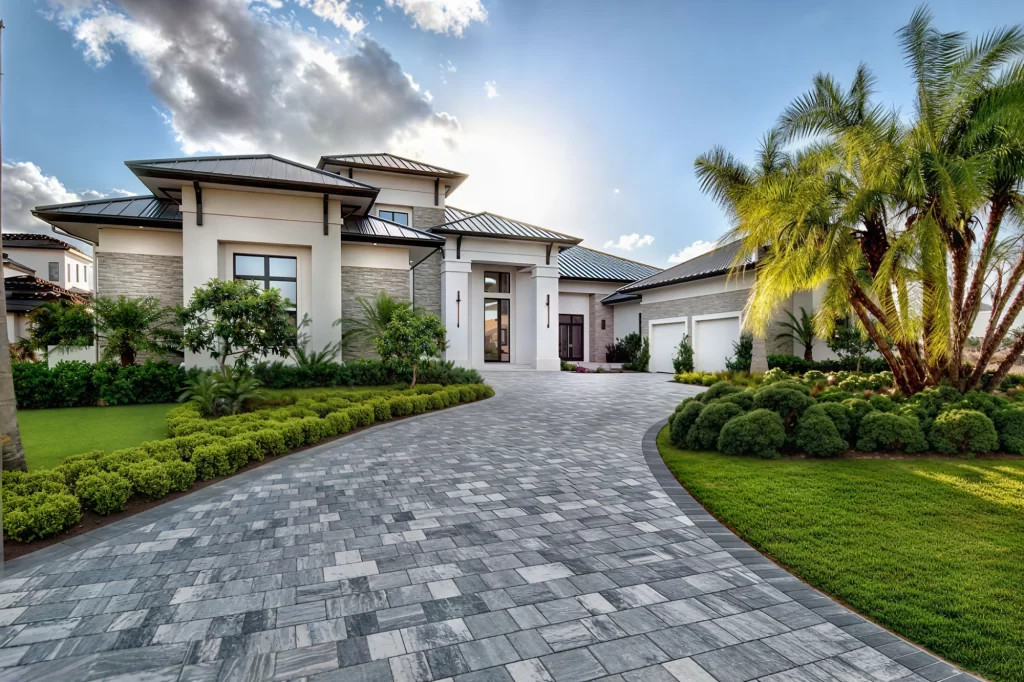
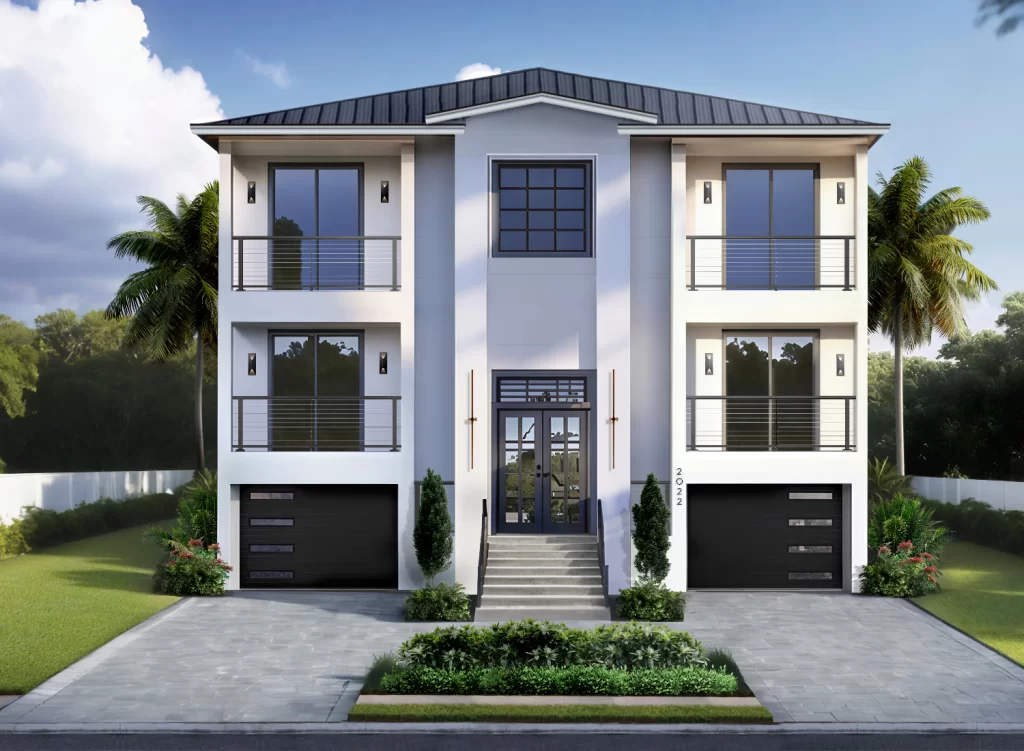
Additionally, elevated lots or coastal zones may naturally lend themselves to multi-level designs with parking or storage below the main living space. Through Custom Home Design + Build, designers help determine which structure best fits your homesite and vision.
Plan for Privacy in Key Living Areas
Privacy contributes significantly to comfort. Because floor-plan design must balance openness with separation, strategic layout decisions enhance both hospitality and personal space. Primary bedrooms should feel like a retreat, ideally located away from high-traffic areas. Guest suites may be placed in separate wings or even on different floors. Additionally, privacy matters around bathrooms, offices, and flex rooms. Through Architectural + Interior Design, thoughtful placement ensures each space feels intentional and connected without sacrificing comfort. In fact, smart positioning of windows and doors improves both natural light and privacy from neighbors.
Focus on Kitchen Placement and Functionality
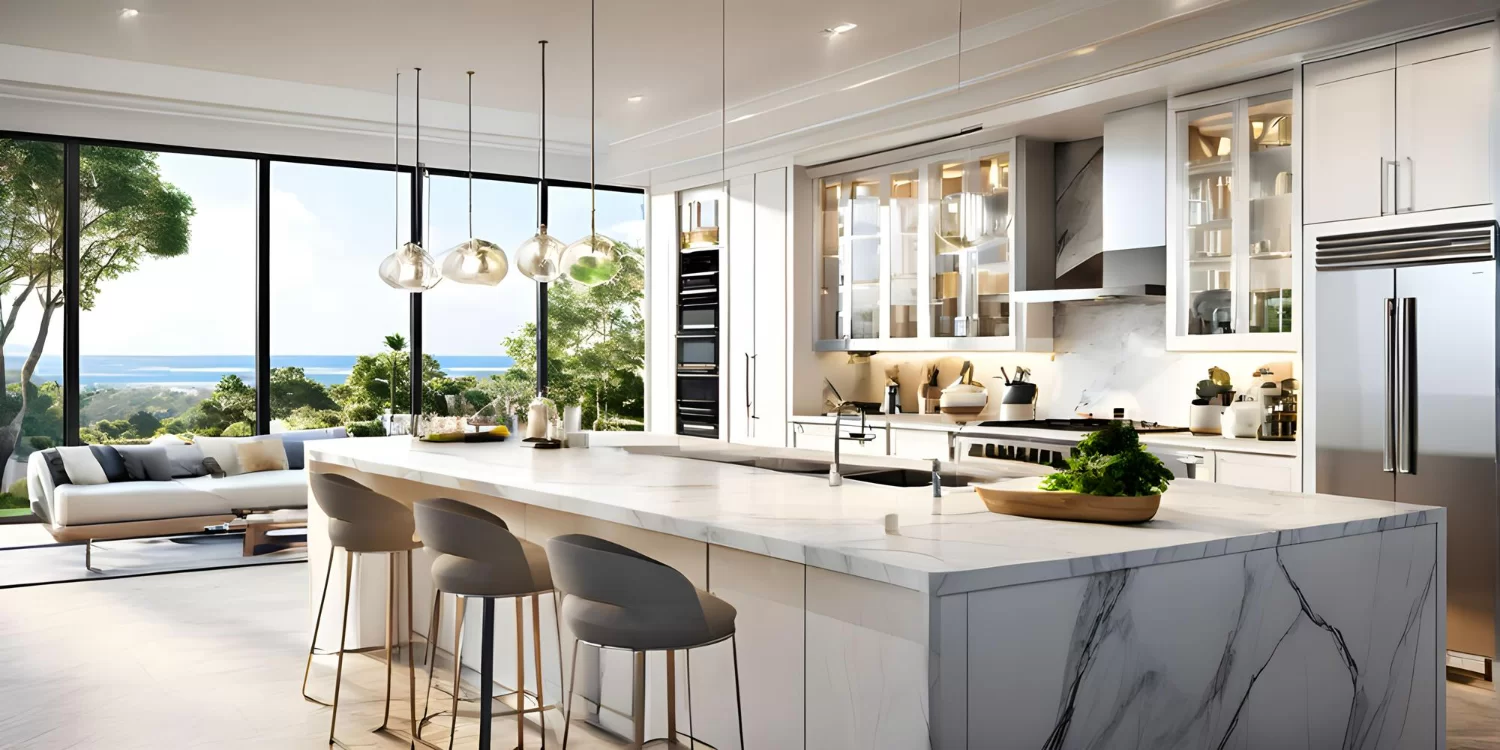
The kitchen is one of the most influential rooms in any floor plan. Because it serves as a central gathering point, its placement should support flow, convenience, and efficiency. Consider whether you want a centrally located kitchen, an open kitchen overlooking living spaces, a kitchen with direct outdoor access, and a separate scullery or walk-in pantry.
What’s more, the kitchen should offer proper circulation patterns, ensuring movement between appliances, prep areas, and seating areas feels natural. Through Custom Home Design + Build, kitchen layouts integrate seamlessly with adjacent living and dining zones for a cohesive living experience. In fact, placement of the kitchen affects natural lighting, noise control, and access during entertaining.
How to Choose the Right Floor Plan: Maximize Indoor-Outdoor Flow
Because Florida’s climate supports year-round outdoor living, indoor-outdoor connection should be a priority. Floor plans that include large sliders, covered lanais, and thoughtfully positioned windows make everyday living brighter and more enjoyable. Ideal indoor-outdoor features include Sliding glass doors, screened lanais, outdoor kitchens, covered patios, pool access points and more.
What’s more, align outdoor living areas with prevailing breezes and shade to maximize comfort. Using Architectural + Interior Design, these spaces become elegant extensions of your home’s interior style. In the same way, prioritizing outdoor integration increases both usability and long-term property value.
Evaluate Storage Needs and Circulation Paths
Efficient circulation supports comfort. Because poorly designed pathways create congestion, thoughtful flow ensures rooms feel spacious and functional.
On top of that, storage plays a major role in daily organization. Pantry size, linen closets, mudrooms, and garage storage all influence the home’s livability. Utilizing Custom Home Design + Build, storage solutions are integrated seamlessly into the architecture to maintain a clean, organized environment. Also, efficient paths improve navigation and reduce unnecessary travel between rooms.
Plan Flex Spaces for Long-Term Resilience
Flexibility is essential in modern floor plans. Because your needs may change over time, adaptable spaces allow your home to evolve with you.
These spaces can shift roles as your lifestyle transforms. By using Architectural + Interior Design, flex rooms are placed in strategic areas that enhance both privacy and accessibility. Also, multi-purpose spaces improve resale value by appealing to a broad range of buyers. In fact, flex rooms allow homeowners to customize their daily routines without redesigning their floor plan later.
Consider Structural Requirements and Budget Impact
Some layouts require more structural support, which can influence your budget. Because design, engineering, and cost work together, planning with a holistic approach prevents unexpected expenses.
Additionally, homeowners should balance desired features with realistic budget expectations. Utilizing Custom Home Design + Build, design teams help refine floor plans to align with both structural feasibility and financial comfort. In fact, early planning reduces change orders and keeps the construction process efficient.
Closing Thoughts
Recognizing How to Choose the Right Floor Plan ensures your home supports the way you live, entertain, and relax. By evaluating lifestyle needs, lot characteristics, architectural style, and long-term goals, you can create a floor plan that feels intuitive, efficient, and uniquely yours. If you’re ready to design a floor plan tailored to your lifestyle and homesite, discover how Custom Home Design + Build and Architectural + Interior Design can guide your project from concept to completion.